Commercial‑Grade and High‑Grade Fine Jewelry Supplies
Material and craftsmanship gaps create tangible business outcomes for every shop building inventory for retail sales. Many store operators overlook subtle component differences until customer complaints, product returns, or inconsistent visual presentation begin eating into profit margins. Understanding where commercial‑grade and high‑grade parts diverge helps buyers match inventory to brand positioning, set realistic retail price points, and avoid costly misalignment between marketing messaging and actual product quality. Every metal blank, stone setting, post, clasp and connector shapes how end customers perceive value, and small decisions made during sourcing ripple across online listings, in‑store displays and long‑term store reputation.
Base metal composition and plating performance across quality tiers
Commercial‑grade components lean toward low‑cost base alloys such as brass, mixed zinc alloy and thin flash electroplating. Plating layers often sit below 0.5 microns, delivering bright initial shine that fades quickly with regular skin contact, moisture and daily friction. Minor surface porosity remains common in mass‑batch production; microscopic pinholes in plating let body oils and sweat reach underlying base metal, accelerating tarnish and discoloration. Nickel content can also run higher in these budget components, raising chances of skin irritation for sensitive wearers. Tolerance ranges are wide from batch to batch, meaning one shipment can show visible differences in thickness, post length or clasp tension compared with the next order. These parts work well for fast‑moving seasonal collections, impulse‑buy gift goods and short‑trend fashion lines where customers expect limited service life.
High‑grade components use refined base materials, with sterling silver, solid precious metal or heavy vermeil plating as standard building blocks. Plating thickness follows stricter internal benchmarks, with multi‑layer rhodium or gold coating applied over well‑polished substrate surfaces to minimize porosity. Nickel‑free alloy formulas reduce skin‑reaction risk, complying with global consumer safety rules for direct skin contact. Every cast and stamped piece goes through pre‑plating surface finishing to remove burrs, casting seams and tool marks before coating applies. Tight dimensional tolerances keep post lengths, ring opening sizes and connector geometry consistent across large production lots. When building pieces with these inputs, retailers receive stock that maintains its finish through extended daily wear without rapid color shift. Jewelry fitting grade directly describes this measurable gap; it covers base metal purity, plating thickness, surface finishing and mechanical stability that separate entry‑level fashion hardware from components built for long‑lived retail jewelry.
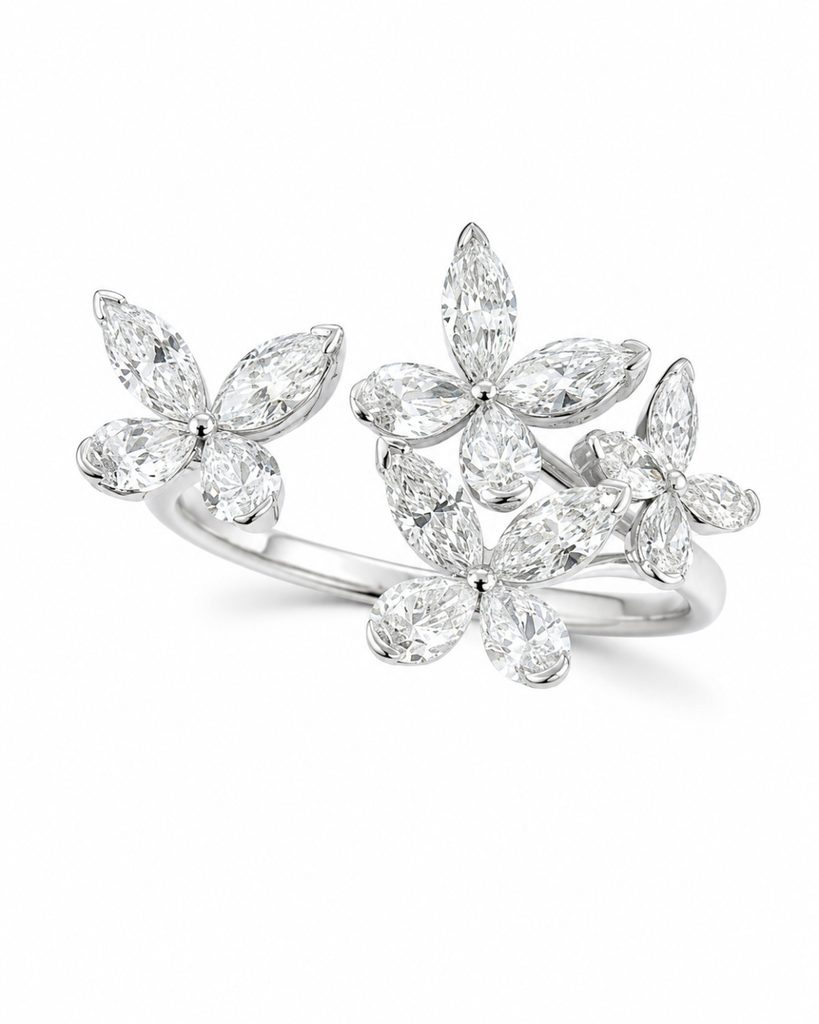
Visual differences are not always obvious at first glance. Commercial‑grade items can look comparable under bright showroom lighting, yet close inspection reveals uneven plating coverage, faint tool scratches and slightly rough edges around stone seats. Under studio photography lights used for e‑commerce product images, dull patches and inconsistent metallic tone become clearly visible, forcing extra editing work to make product photos appear attractive. High‑grade parts hold uniform luster under mixed lighting conditions. Edges remain smooth, stone seats sit evenly milled, and reflections behave predictably both in natural daylight and controlled shoot environments. This consistency reduces post‑production workload and delivers accurate product imagery that matches what customers receive after checkout.
Mechanical stability and real‑world retail risk factors
Resellers face two recurring operational risks when building finished jewelry: hardware failure and elevated return rates. Low‑tier commercial‑grade findings frequently show spring fatigue in clasps, bent earring posts, loose stone seats and solder joint weakness after limited wear. For online sellers operating across multiple marketplaces, negative reviews referencing broken closures, faded color or fallen stones accumulate quickly and hurt product ranking. Even if unit purchase cost stays low, returns processing, customer service hours and reputational damage can erase expected profit from high‑volume budget lines. Retailers stocking these components must write clear product disclaimers within listing descriptions, setting honest consumer expectations around wear lifespan.
High‑grade components undergo practical functional testing during production. Clasp spring tension gets verified batch‑wide; earring posts receive hardness treatment to resist bending; solder joints get inspected for full penetration rather than superficial surface bonding. Stone seats are precisely cut to match calibrated gemstone dimensions, lowering stone‑loss complaints significantly. Salt‑spray testing helps validate anti‑tarnish performance before bulk shipment, predicting real‑world behavior in humid climates and regions with high skin acidity. While each individual component costs more upfront, these parts drive fewer support tickets, fewer product exchanges and more repeat purchases from satisfied buyers.
Retail jewelry components cover all hardware retailers integrate into finished goods, ranging from simple jump rings and bails up to complex stud earring settings. Stud earrings represent one of the highest‑volume categories across physical boutiques and digital storefronts alike. When sourcing settings for diamond‑style studs, post thickness, seat precision and backing fit change end‑user experience dramatically. Commercial‑grade stud settings often feature thin soft posts that bend during normal insertion, loosely cut stone seats that cannot hold faceted stones securely, and cheap friction backs that slide off without warning. Premium settings use thicker hardened posts, accurately milled seats matched to exact stone millimeter sizes, and properly tensioned backs that stay firmly positioned without applying excessive pressure against earlobes.
Evaluating diamond‑focused inventory options for retail assortment
Many retailers expand earring catalogs to capture strong consumer demand for classic diamond‑style designs, and quality gaps become extremely noticeable in this popular category. Wholesale diamond stud earrings sit in high demand across every price bracket, yet quality varies drastically depending on which tier of raw settings and stones are selected. Budget options use commercial‑grade settings paired with low‑clarity simulants, which may show cloudiness under natural light, weak sparkle and minor mounting imperfections. These sets sell well for gift‑oriented seasonal pushes, though retailers should never position them alongside fine‑jewelry grade merchandise without clear labeling.
Buyers searching for dependable stock often seek out diamond earrings studs wholesale resources that balance visual performance and long‑term wear performance. Well‑made wholesale units apply high‑grade settings with secure prong or bezel construction, paired with calibrated stones that deliver consistent light return. The difference translates in customer feedback: shoppers buying mid‑to‑high‑priced earring pieces expect prongs to stay tight, posts to resist deformation, and stones to retain brilliance through years of regular wear. Cutting corners on setting hardware for diamond‑themed earrings creates avoidable post‑sale issues, as loose prongs are one of the top reasons customers reach out for repair support.
Operators need to weigh sales velocity against long‑term brand value. Fast‑turnover fashion‑focused stores can move large volumes of affordable earring SKUs built on commercial‑grade parts, while boutique establishments aiming for loyal repeat clientele benefit from investing in higher‑grade mounting hardware. Many successful merchants maintain two distinct earring lines, keeping affordable options for impulse purchases and premium assemblies for shoppers ready to invest in lasting everyday wearable pieces.
Sourcing logic and inventory planning for different store profiles
Every jewelry business has unique customer demographics, price ceilings and turnover targets, so there exists no universal one‑tier solution for all inventory needs. Jewelry supplies for resale must align with the brand promise communicated to shoppers, as mismatched quality and marketing will erode trust rapidly. Stores targeting young casual buyers with accessible price points can rely heavily on commercial‑grade inputs to keep retail pricing competitive. Even within this segment, smart sourcing means filtering out the absolute lowest‑quality lots that trigger excessive complaint volumes, selecting better‑controlled commercial batches that strike a balance between cost and acceptable service life.
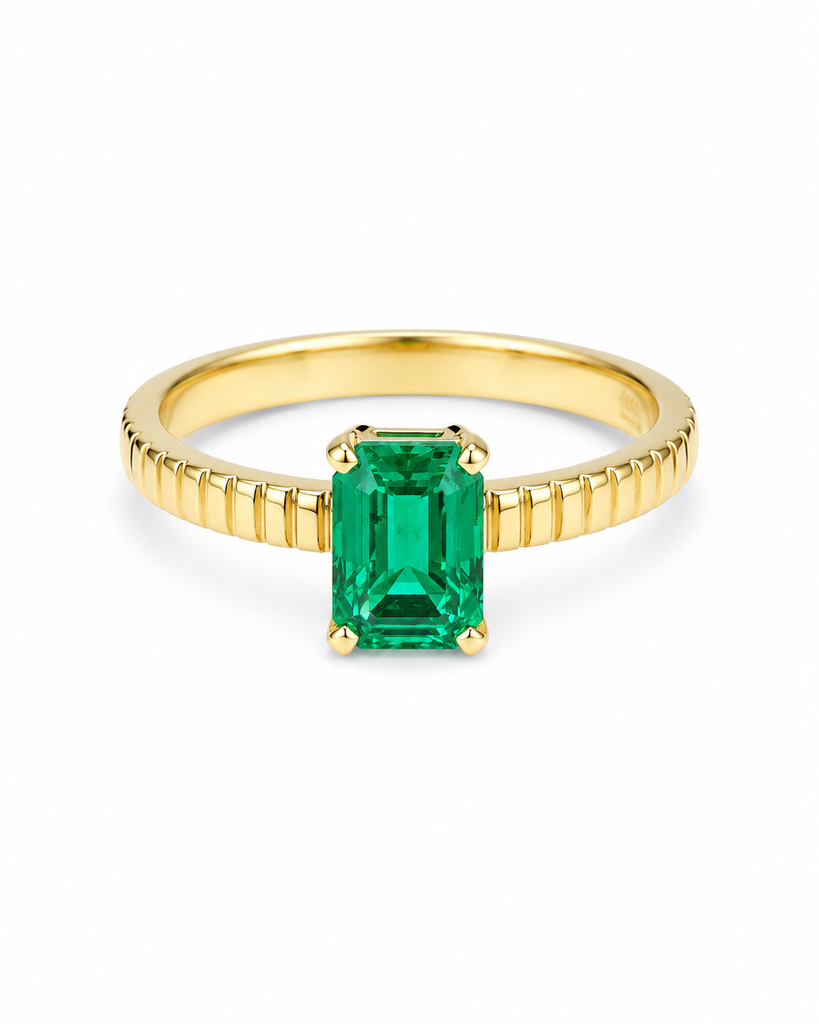
Stores building a fine‑jewelry centered collection cannot compromise on core component standards. Every jump ring, clasp, post and setting shapes how finished pieces feel and perform. Fine jewelry fittings demand strict process control at every production phase, including pre‑plating polishing, precise dimension calibration, leak‑testing for plating integrity and functional batch checks. These extra production steps add to unit cost, yet allow retailers to assign appropriate premium retail pricing and stand behind merchandise with confidence. Customers shopping fine jewelry expect durability, consistent luster and skin‑safe material composition, and these expectations trace directly back to the fittings selected at sourcing stage.
Large‑volume sellers often look toward wholesale jewelry supplies to fill out broad product catalogs, and it is critical to separate commercial‑grade bulk lots from high‑grade production runs when placing orders. Some bulk wholesale inventories mix quality tiers within one listing, creating unwanted inconsistency across finished goods. Buyers should request sample units before committing to large orders, checking plating condition, metal hardness, dimensional consistency and hardware function firsthand. Sample evaluation reveals batch‑specific flaws that written specification sheets may omit, helping merchants avoid receiving containers full of parts unsuitable for their store positioning.
Many sourcing missteps stem from judging components purely by initial visual appeal. A commercial‑grade piece can shine brightly out of packaging, yet degrade quickly once exposed to daily wear. High‑grade parts may not look dramatically different in unopened sample trays, yet hold performance advantages that emerge months after reaching end consumers. Factoring in expected return rates, customer service labor, brand perception and retail price ceiling paints a far more complete picture than unit cost alone.
Business owners also need to consider regional market conditions. Some consumer markets prioritize ultra‑low price above all else, making commercial‑grade inputs the practical fit. Other markets have buyers willing to pay significant premiums for verified long‑wearing, skin‑friendly jewelry, rewarding investment in high‑grade inputs. Mixed‑model retailers can serve both groups by maintaining clearly separated product collections, so budget‑oriented shoppers and quality‑focused shoppers each find merchandise built for their expectations. Transparent internal categorization of incoming stock prevents accidental mixing of quality tiers during assembly, stopping commercial‑grade components from ending up inside premium‑priced finished jewelry.
Careful evaluation of component quality does add time to the sourcing workflow, yet it delivers lasting advantages. Retail partners that consistently deliver merchandise matching advertised quality build stronger customer loyalty, lower long‑term operational overhead and create more predictable revenue streams. Whether assembling fashion‑forward short‑run items or timeless fine‑jewelry pieces, the core principle stays unchanged: select component quality that matches the promise you make to every buying customer.