Author: Orion

Commercial‑Grade and High‑Grade Fine Jewelry Supplies

Material and craftsmanship gaps create tangible business outcomes for every shop building inventory for retail sales. Many store operators overlook subtle component differences until customer complaints, product returns, or inconsistent visual presentation begin eating into profit margins. Understanding where commercial‑grade and high‑grade parts diverge helps buyers match inventory to brand positioning, set realistic retail price points, and avoid costly misalignment between marketing messaging and actual product quality. Every metal blank, stone setting, post, clasp and connector shapes how end customers perceive value, and small decisions made during sourcing ripple across online listings, in‑store displays and long‑term store reputation.

Base metal composition and plating performance across quality tiers

Commercial‑grade components lean toward low‑cost base alloys such as brass, mixed zinc alloy and thin flash electroplating. Plating layers often sit below 0.5 microns, delivering bright initial shine that fades quickly with regular skin contact, moisture and daily friction. Minor surface porosity remains common in mass‑batch production; microscopic pinholes in plating let body oils and sweat reach underlying base metal, accelerating tarnish and discoloration. Nickel content can also run higher in these budget components, raising chances of skin irritation for sensitive wearers. Tolerance ranges are wide from batch to batch, meaning one shipment can show visible differences in thickness, post length or clasp tension compared with the next order. These parts work well for fast‑moving seasonal collections, impulse‑buy gift goods and short‑trend fashion lines where customers expect limited service life.

High‑grade components use refined base materials, with sterling silver, solid precious metal or heavy vermeil plating as standard building blocks. Plating thickness follows stricter internal benchmarks, with multi‑layer rhodium or gold coating applied over well‑polished substrate surfaces to minimize porosity. Nickel‑free alloy formulas reduce skin‑reaction risk, complying with global consumer safety rules for direct skin contact. Every cast and stamped piece goes through pre‑plating surface finishing to remove burrs, casting seams and tool marks before coating applies. Tight dimensional tolerances keep post lengths, ring opening sizes and connector geometry consistent across large production lots. When building pieces with these inputs, retailers receive stock that maintains its finish through extended daily wear without rapid color shift. Jewelry fitting grade directly describes this measurable gap; it covers base metal purity, plating thickness, surface finishing and mechanical stability that separate entry‑level fashion hardware from components built for long‑lived retail jewelry.

Visual differences are not always obvious at first glance. Commercial‑grade items can look comparable under bright showroom lighting, yet close inspection reveals uneven plating coverage, faint tool scratches and slightly rough edges around stone seats. Under studio photography lights used for e‑commerce product images, dull patches and inconsistent metallic tone become clearly visible, forcing extra editing work to make product photos appear attractive. High‑grade parts hold uniform luster under mixed lighting conditions. Edges remain smooth, stone seats sit evenly milled, and reflections behave predictably both in natural daylight and controlled shoot environments. This consistency reduces post‑production workload and delivers accurate product imagery that matches what customers receive after checkout.
Mechanical stability and real‑world retail risk factors

Resellers face two recurring operational risks when building finished jewelry: hardware failure and elevated return rates. Low‑tier commercial‑grade findings frequently show spring fatigue in clasps, bent earring posts, loose stone seats and solder joint weakness after limited wear. For online sellers operating across multiple marketplaces, negative reviews referencing broken closures, faded color or fallen stones accumulate quickly and hurt product ranking. Even if unit purchase cost stays low, returns processing, customer service hours and reputational damage can erase expected profit from high‑volume budget lines. Retailers stocking these components must write clear product disclaimers within listing descriptions, setting honest consumer expectations around wear lifespan.

High‑grade components undergo practical functional testing during production. Clasp spring tension gets verified batch‑wide; earring posts receive hardness treatment to resist bending; solder joints get inspected for full penetration rather than superficial surface bonding. Stone seats are precisely cut to match calibrated gemstone dimensions, lowering stone‑loss complaints significantly. Salt‑spray testing helps validate anti‑tarnish performance before bulk shipment, predicting real‑world behavior in humid climates and regions with high skin acidity. While each individual component costs more upfront, these parts drive fewer support tickets, fewer product exchanges and more repeat purchases from satisfied buyers.

Retail jewelry components cover all hardware retailers integrate into finished goods, ranging from simple jump rings and bails up to complex stud earring settings. Stud earrings represent one of the highest‑volume categories across physical boutiques and digital storefronts alike. When sourcing settings for diamond‑style studs, post thickness, seat precision and backing fit change end‑user experience dramatically. Commercial‑grade stud settings often feature thin soft posts that bend during normal insertion, loosely cut stone seats that cannot hold faceted stones securely, and cheap friction backs that slide off without warning. Premium settings use thicker hardened posts, accurately milled seats matched to exact stone millimeter sizes, and properly tensioned backs that stay firmly positioned without applying excessive pressure against earlobes.

Evaluating diamond‑focused inventory options for retail assortment

Many retailers expand earring catalogs to capture strong consumer demand for classic diamond‑style designs, and quality gaps become extremely noticeable in this popular category. Wholesale diamond stud earrings sit in high demand across every price bracket, yet quality varies drastically depending on which tier of raw settings and stones are selected. Budget options use commercial‑grade settings paired with low‑clarity simulants, which may show cloudiness under natural light, weak sparkle and minor mounting imperfections. These sets sell well for gift‑oriented seasonal pushes, though retailers should never position them alongside fine‑jewelry grade merchandise without clear labeling.

Buyers searching for dependable stock often seek out diamond earrings studs wholesale resources that balance visual performance and long‑term wear performance. Well‑made wholesale units apply high‑grade settings with secure prong or bezel construction, paired with calibrated stones that deliver consistent light return. The difference translates in customer feedback: shoppers buying mid‑to‑high‑priced earring pieces expect prongs to stay tight, posts to resist deformation, and stones to retain brilliance through years of regular wear. Cutting corners on setting hardware for diamond‑themed earrings creates avoidable post‑sale issues, as loose prongs are one of the top reasons customers reach out for repair support.

Operators need to weigh sales velocity against long‑term brand value. Fast‑turnover fashion‑focused stores can move large volumes of affordable earring SKUs built on commercial‑grade parts, while boutique establishments aiming for loyal repeat clientele benefit from investing in higher‑grade mounting hardware. Many successful merchants maintain two distinct earring lines, keeping affordable options for impulse purchases and premium assemblies for shoppers ready to invest in lasting everyday wearable pieces.
Sourcing logic and inventory planning for different store profiles

Every jewelry business has unique customer demographics, price ceilings and turnover targets, so there exists no universal one‑tier solution for all inventory needs. Jewelry supplies for resale must align with the brand promise communicated to shoppers, as mismatched quality and marketing will erode trust rapidly. Stores targeting young casual buyers with accessible price points can rely heavily on commercial‑grade inputs to keep retail pricing competitive. Even within this segment, smart sourcing means filtering out the absolute lowest‑quality lots that trigger excessive complaint volumes, selecting better‑controlled commercial batches that strike a balance between cost and acceptable service life.

Stores building a fine‑jewelry centered collection cannot compromise on core component standards. Every jump ring, clasp, post and setting shapes how finished pieces feel and perform. Fine jewelry fittings demand strict process control at every production phase, including pre‑plating polishing, precise dimension calibration, leak‑testing for plating integrity and functional batch checks. These extra production steps add to unit cost, yet allow retailers to assign appropriate premium retail pricing and stand behind merchandise with confidence. Customers shopping fine jewelry expect durability, consistent luster and skin‑safe material composition, and these expectations trace directly back to the fittings selected at sourcing stage.

Large‑volume sellers often look toward wholesale jewelry supplies to fill out broad product catalogs, and it is critical to separate commercial‑grade bulk lots from high‑grade production runs when placing orders. Some bulk wholesale inventories mix quality tiers within one listing, creating unwanted inconsistency across finished goods. Buyers should request sample units before committing to large orders, checking plating condition, metal hardness, dimensional consistency and hardware function firsthand. Sample evaluation reveals batch‑specific flaws that written specification sheets may omit, helping merchants avoid receiving containers full of parts unsuitable for their store positioning.

Many sourcing missteps stem from judging components purely by initial visual appeal. A commercial‑grade piece can shine brightly out of packaging, yet degrade quickly once exposed to daily wear. High‑grade parts may not look dramatically different in unopened sample trays, yet hold performance advantages that emerge months after reaching end consumers. Factoring in expected return rates, customer service labor, brand perception and retail price ceiling paints a far more complete picture than unit cost alone.

Business owners also need to consider regional market conditions. Some consumer markets prioritize ultra‑low price above all else, making commercial‑grade inputs the practical fit. Other markets have buyers willing to pay significant premiums for verified long‑wearing, skin‑friendly jewelry, rewarding investment in high‑grade inputs. Mixed‑model retailers can serve both groups by maintaining clearly separated product collections, so budget‑oriented shoppers and quality‑focused shoppers each find merchandise built for their expectations. Transparent internal categorization of incoming stock prevents accidental mixing of quality tiers during assembly, stopping commercial‑grade components from ending up inside premium‑priced finished jewelry.

Careful evaluation of component quality does add time to the sourcing workflow, yet it delivers lasting advantages. Retail partners that consistently deliver merchandise matching advertised quality build stronger customer loyalty, lower long‑term operational overhead and create more predictable revenue streams. Whether assembling fashion‑forward short‑run items or timeless fine‑jewelry pieces, the core principle stays unchanged: select component quality that matches the promise you make to every buying customer.
Ways to Verify Material Authenticity in Online Fine Jewelry Supplies

Global sourcing for fine jewelry components has expanded rapidly through digital marketplaces, opening access to broad inventories of precious metals, genuine gemstones, and innovative man‑made alternatives. Even with convenient online ordering, material misrepresentation remains a persistent risk for bulk buyers. Mismatched metal purity, undisclosed gem treatments, and swapped synthetic variants can cause heavy financial losses, damage brand reputation, and trigger compliance issues when finished goods reach retail markets. Buyers must build practical, repeatable workflows to separate credible stock from misleading listings, especially when evaluating mixed inventories that combine natural stones with jewelry material testing standards for man‑made alternatives. Every sourcing decision should balance cost efficiency with verifiable proof of material composition, regardless of whether orders focus on precious metal findings, colored gemstones, or modern synthetic gemstone jewelry.

Establish baseline supplier due diligence before placing bulk orders

Many sourcing disputes stem from skipping background review and trusting product photos and written descriptions alone. Comprehensive review of supplier track records sets the first defensive layer before committing to large‑volume purchases. This work forms the core of supplier qualification check, covering business documentation, historical customer feedback, production transparency, and disclosure policies for treated or synthetic materials.

Review publicly available business records to confirm operational legitimacy. Cross‑reference business registration documents, export permits, and past transaction feedback from verified bulk purchasers. Pay close attention to recurring complaints about material inconsistency, swapped goods, or certificates that fail third‑party validation. Reputable partners openly share production workflows, clarify marking standards for gold, platinum, or silver, and clearly label synthetic gem variants instead of marketing them under vague natural‑sounding names.

Special caution applies while evaluating listings for lab grown emerald wholesale. This segment sees frequent mislabeling where hydrothermal‑created emeralds are presented as natural without clear notice. Reliable suppliers will state growth methods upfront, describe observable gem features, and explain what documentation accompanies each batch. Avoid vendors who dodge direct questions about material origin, refuse video verification of physical stock, or push for full advance payment without flexible inspection terms. Strong supplier qualification does not eliminate all risks, but it filters out high‑risk partners before capital is committed to large shipments.

Conduct structured pre‑production physical evaluation of selected pieces

Digital photos and digital certificates cannot fully replace hands‑on assessment of physical merchandise, which makes jewelry sample inspection irreplaceable for online bulk sourcing. Before locking in large batch shipments, buyers should request representative physical samples pulled directly from the exact production run intended for their order, rather than promotional display pieces kept separately for marketing purposes.

Sample sets should mirror the full diversity of your planned bulk order. If your purchase covers multiple metal grades, mixed gemstone sizes, and both natural and synthetic gemstone jewelry, include examples of every major category within your sample submission. Document every sample with clear photos, weight records, dimensional measurements, and visible hallmarks or laser inscriptions. Keep these physical samples stored safely as reference benchmarks, so you can compare them against mass‑produced goods once full shipments arrive.

During sample inspection, do not rely solely on visual observation. Visual checks can detect obvious defects, but they cannot reliably separate natural gems from high‑quality synthetics, or verify precise metal purity. Collect all supporting documentation sent alongside samples, and cross‑check each report number against official lab databases. Note any inconsistent details: mismatched carat weights, contradictory color descriptions, or blurry reference photos on certification papers are common warning signs of counterfeit or reused certificates, known within the trade as “certificate swapping”. Even if samples pass initial visual review, forward selected pieces to independent gemological labs for formal analysis before finalizing bulk purchase contracts.

Validate lab‑issued documentation and identify common certification pitfalls

Certificates serve as critical supporting evidence, yet counterfeit documents circulate widely across global jewelry supply channels. Many bad actors replicate logos and formatting from respected gemological institutions to create convincing‑looking papers that carry zero real‑world validation. Buyers need concrete steps to separate authentic reports from forgeries, instead of simply accepting documents attached to online product listings.

Always look up report numbers directly on the official laboratory website. Never trust links sent within supplier messages, as these can direct users to fake replica sites. Authentic lab entries will reproduce core data including stone dimensions, carat weight, color characteristics, treatment status, and material classification. Compare every numerical detail against your physical sample. A difference of a few hundredths of a carat or minor variance in measured dimensions strongly suggests the certificate belongs to a different piece entirely.

Pay extra attention to terminology for synthetic gemstone jewelry. Valid documentation explicitly notes synthetic origin for lab‑created stones, including material from lab grown emerald wholesale batches. Legitimate reports will specify hydrothermal growth processes and note any color modification treatments. Watch out for ambiguous wording that avoids clear synthetic disclosures, or certificates issued by obscure laboratories with no publicly searchable record system. When reports omit critical origin and treatment information, treat the document as incomplete even if the layout appears professional.

Deploy multi‑layer verification for full‑batch shipments after delivery

Even qualified suppliers and pre‑approved samples cannot guarantee zero deviation across large production batches. Minor inconsistencies in alloy mixing, undisclosed gem replacement, or substitution of treated stones can appear within mass‑produced stock, so post‑delivery verification remains essential. Create a randomized sampling protocol for incoming bulk shipments. Pull representative units from different sections of each shipment box, rather than checking only top‑layer pieces.

For metal components, X‑ray fluorescence testing delivers non‑destructive purity readings for gold, silver and platinum, revealing discrepancies between stamped hallmarks and real alloy composition. For gem‑set items, gemological microscopes and spectroscopic tools help distinguish natural inclusions from growth patterns typical of synthetic counterparts. Not every single unit within a large order needs full lab testing, but random spot checks create accountability and catch systemic production shifts early.

Build contractual safeguards into every purchase agreement. Formal terms should outline acceptable tolerance ranges for metal purity, define mandatory disclosure for synthetic or treated gemstones, and lay out resolution procedures if third‑party testing discovers material misrepresentation. Trusted suppliers accept independent third‑party verification and support returns or adjustments for non‑compliant merchandise. Suppliers who push back against testing rights or refuse to honor discrepancy clauses create unnecessary risk for long‑term cooperation.

Develop long‑term sourcing discipline to sustain consistent material quality

Sustainable sourcing success relies on consistent habits rather than one‑off checks for individual orders. As you build ongoing partnerships, keep historical testing records organized for past sample sets and completed shipments. Retain lab reports, measurement logs, and sample reference materials, so you can compare new batches against proven benchmarks from previous orders.

Stay updated on evolving market trends within synthetic gemstone jewelry. Innovations in hydrothermal and flux‑grown gem production continuously improve the visual similarity between lab‑made and natural stones. Products sourced through lab grown emerald wholesale channels now match natural emerald appearance so closely that only specialized lab instruments can reliably tell them apart. Relying on naked‑eye observation alone creates significant risk of misclassification. Read More.

Set realistic expectations around cost. When online listings show prices drastically lower than global market benchmarks for a given material grade, treat these listings with heightened suspicion. Unrealistically low pricing frequently signals material substitution, hidden treatments, or falsified documentation. Cost savings are achievable through efficient supply chains, but extreme discounts almost always come with hidden trade‑offs in material authenticity.

Transparent material verification protects not only your business bottom line but also end‑customer trust. The workflows built around supplier background assessment, sample validation, certificate authentication, and batch spot‑checking create a stable foundation for sustainable online wholesale fine jewelry supplies sourcing. By embedding these practices into every purchasing cycle, buyers reduce exposure to fraud, keep product quality steady, and build resilient supply relationships in an increasingly complex global jewelry marketplace.

Fine Jewelry Supplies for Eco‑Driven Jewelry Businesses

Consumer buying habits have shifted dramatically within fine jewelry markets over recent years. Modern buyers no longer evaluate pieces purely by sparkle and craftsmanship. They dig deeper into material origins, carbon footprints, and production ethics before completing purchases. For eco‑driven jewelry businesses, building authentic collections means moving past surface‑level green marketing and securing consistent, verifiable material streams that match brand values. Many creative operators face real frustrations while hunting for compatible inputs: inconsistent stock levels, incomplete documentation, inflated pricing, or suppliers that cannot back up sustainability claims with tangible proof. Navigating this landscape requires clear understanding of material options, production standards, and practical supply chain workflows to turn responsible design concepts into sellable finished stock.

Recycled Precious Metals as Foundation of Responsible Fine Jewelry Work

Precious metal mining carries heavy environmental costs. Traditional gold extraction generates massive carbon emissions, consumes huge volumes of fresh water, and creates large volumes of toxic waste rock across mining sites. Recycled precious metals eliminate most of that harm by re‑processing existing gold, silver, and platinum sourced from retired jewelry, industrial scrap, and post‑consumer returns. Refining technology today delivers alloy quality identical to newly mined material, so hardness, color tone, and polishing performance hold no visible difference for finished fine jewelry.

Working with recycled stock still brings practical hurdles for growing brands. Some metal vendors only offer large bulk lots, putting high minimum order barriers for small‑batch designers. Other suppliers fail to provide trace records, leaving brands unable to share origin stories with their own customers. Reliable partners deliver alloy variants including 10K, 14K, and 18K gold alongside sterling silver and platinum group metals, with certification documents tracing each batch back to scrap sources. Operators can order pre‑made wires, sheets, and cast grain ready for workshop fabrication, cutting down internal processing workload.

Brands can integrate circular workflows beyond purchasing recycled stock. Setting up return programs for old customer jewelry creates closed‑loop cycles. Returned pieces get melted and refined straight back into new collections. This practice resonates strongly with ethically focused shoppers and generates steady secondary material streams to stabilize long‑term production cycles. When assessing potential metal suppliers, verify refining protocols, batch‑by‑batch traceability papers, and flexible order sizes that align with your production volume.

Component Choices That Reinforce Sustainable Brand Identity

Every small fitting inside fine jewelry shapes overall environmental performance. Clasps, jump rings, posts, bails, and setting bases often get overlooked during material planning, yet these components add up across full collections. Conventional mass‑produced findings frequently rely on virgin metal inputs and heavy chemical finishing processes. Thoughtful selection of components ensures every single part of your final piece aligns with core brand commitments.

Green jewelry supplies span complete ranges of cast and stamped parts finished with low‑waste surface treatments. Rhodium plating carried out within closed‑loop systems recirculates rinse water and reduces chemical discharge. Recycled‑metal pre‑fabricated settings remove the need for extensive in‑house casting, cutting energy expenditure for small studios. Design teams gain access to diverse styles, from minimalist smooth profiles to detailed vintage‑style structures, without sacrificing environmental standards.

Many jewelry creators mistakenly assume sustainable component options carry prohibitive price tags. Strategic ordering helps manage costs. Combining component orders with metal grain shipments reduces shipping emissions and freight expenses. Mixing standard stock parts with limited custom‑modified pieces balances lead time and creative uniqueness. Always confirm plating thickness specifications when reviewing samples. Thin coatings wear quickly and create higher long‑term return rates, undermining both customer experience and sustainable goals.

Gemstone Sourcing Strategies for Modern Sustainable Collections

Gem selection represents one of the most impactful decisions for eco‑driven jewelry businesses. Natural mined gemstones carry complex ethical risks, from habitat destruction to uncertain labor conditions across multiple global regions. Lab‑created gem alternatives deliver matching physical beauty while removing mining‑related harms, opening fresh creative possibilities for contemporary fine jewelry lines.

Lab grown diamond melee companies deliver calibrated small‑size stones essential for halo layouts, pave surfaces, milgrain detailing, and accent work across rings, earrings, and neckwear. Consistent dimension matching is critical for melee; poorly calibrated stones create uneven pave surfaces and increase bench labor during setting work. Trustworthy operators maintain graded inventory covering multiple color and clarity grades, offer mixed‑size parcels, and provide laboratory certification for larger melee lots. Design teams gain flexibility to scale from limited‑run artisan pieces through to higher‑volume retail releases without compromising sustainability standards.

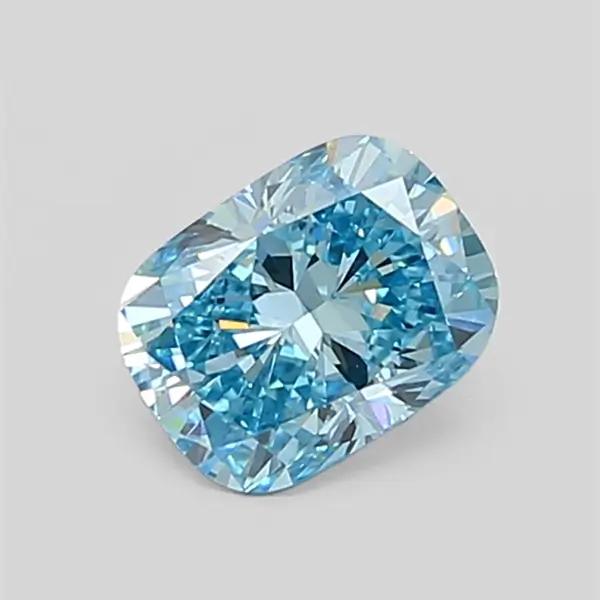
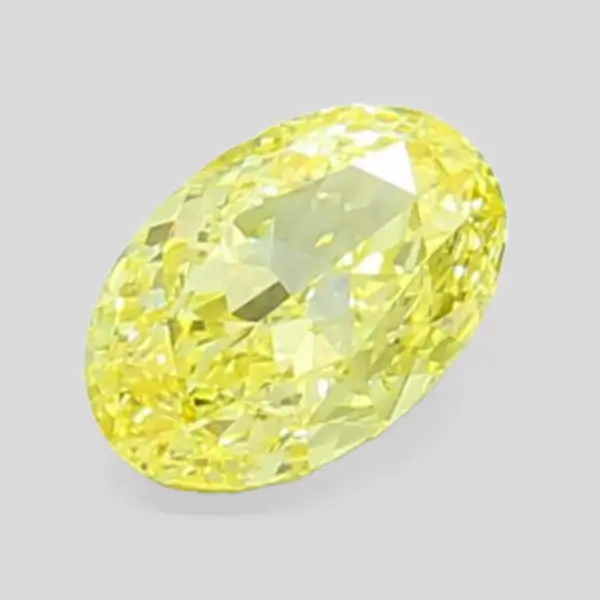
Adding standout signature pieces helps brands stand out in crowded marketplaces. Fancy colored diamonds wholesale unlocks access to vivid pink, yellow, and blue lab‑grown stones in both accent dimensions and larger center‑stone carat weights. HPHT and CVD manufacturing methods produce distinct color palettes, giving designers choices to match collection aesthetics. These colored gems command strong consumer interest and allow brands to build high‑margin statement lines that differentiate store offerings from generic competitor inventory. Request sample parcels before committing to large orders, to evaluate color saturation under both studio lighting and retail showroom conditions.

Practical Approaches Toward Streamlined Sustainable Jewelry Sourcing

Even with excellent material options available, many jewelry operators struggle to coordinate multiple vendors for metals, findings, melee, and colored gemstones. Managing several separate suppliers generates extra administrative overhead, inconsistent delivery timelines, and complicated quality control workflows. This real‑world friction is why sustainable jewelry sourcing deserves careful advance planning rather than ad‑hoc ordering as production needs arise.

Start by mapping your full product portfolio. Document which styles require melee accents, which depend on colored gem focal points, and which lines lean heavily on metal‑forward minimal design. This overview reveals which materials you order repeatedly and which inputs appear only for seasonal limited runs. Consolidate recurring material purchases with partners capable of covering multiple categories whenever possible. Single‑source workflows simplify traceability tracking and cut down repeated shipping footprints.

Build clear checklists for every incoming shipment. Verify certification paperwork matches physical batch numbers, inspect component finishing quality, and test gemstone consistency against pre‑approved reference samples. Establish realistic lead‑time expectations. Recycled metal refining, custom calibrated melee preparation, and specialty colored gem production can require extended turnaround compared to conventional mass‑produced goods. Build those timelines into your collection launch calendars to avoid stock shortages.

Keep open communication channels with your material partners. Share your collection roadmaps. Advanced notice of upcoming seasonal demand spikes allows suppliers to reserve inventory for your projects, preventing stock‑out situations. Reputable partners will also share updates about new material developments, fresh color variants, and improved finishing techniques that can elevate your future designs.

Navigating Market Dynamics of Eco Jewelry Wholesale

Market demand for ethically produced fine jewelry keeps expanding across retail channels. Shoppers actively search out brands that openly communicate material stories, and retailers increasingly prioritize inventory lines backed by verifiable responsible credentials. Within this shifting landscape, eco jewelry wholesale continues to evolve to serve small independent designers and established label operators alike.

Price sensitivity remains a common concern. Sustainable inputs can carry modest cost premiums over conventional alternatives, though lab‑created gem options often deliver value advantages versus mined equivalents. Thoughtful product assortment mitigates margin pressure. Mix everyday accessible SKUs together with premium statement pieces built around fancy colored gems. This structure serves varied customer budgets while preserving healthy overall profitability.

Transparency forms your strongest selling asset. You do not need dense technical documents for public‑facing content. Condense verified facts about recycled metal origins, lab‑grown gem production, and low‑waste component processing into approachable brand storytelling. Share summarized certification highlights on product pages, hang tags, and social content streams. Consumers do not expect perfect perfection, yet they reject vague greenwashing claims unsupported by real documentation.

Evaluate potential wholesale partners beyond price comparisons. Review sample quality, flexibility on order volumes, responsiveness for technical questions, and willingness to supply supporting certification records. Some providers cater exclusively to very large‑volume output, while others structure offerings to support emerging creators with modest order minimums. Matching supplier operational profile to your business scale avoids unnecessary pressure on cash flow and inventory budgets.

Building Long‑Term Resilience Through Informed Material Decisions

The shift toward sustainable fine jewelry is not a short‑lived trend. It represents lasting structural change within consumer expectations and global industry standards. Eco‑driven jewelry businesses gain lasting competitive advantage by embedding responsible material practices deep into core operations, instead of treating sustainability as a superficial marketing add‑on.

Successful operators continuously refine their material workflows. Test new component finishes, evaluate updated gemstone stock, and revisit metal supply terms as business scales. Document lessons learned from each production cycle. Note which material variants perform best in finished goods, which inputs lead to higher repair rates, and which suppliers deliver most reliable delivery performance. These observations sharpen decision‑making for every future collection rollout.

Keep customer feedback central to your process. Track reactions to pieces featuring colored lab‑grown stones, and note buyer questions about material provenance. Direct consumer insights guide where to expand product ranges and which educational content matters most for your audience. When supply challenges appear, treat those moments as opportunities to adjust rather than compromise core values. Alternative material formats, adjusted production batch sizes, and staggered inventory builds can resolve most supply bottlenecks without abandoning sustainability commitments.

Fine jewelry built from thoughtfully sourced materials connects emotional storytelling with tangible environmental progress. Every order placed for recycled metal, responsible findings, and ethically produced gemstones sends signals across global supply networks. As more creative businesses prioritize these inputs, they collectively push the whole industry toward lower‑impact, more transparent operating models for years ahead.

Why Rhodium Plating Specifications Matter for Fine Jewelry Retailers

Retailers across fine jewelry markets regularly face avoidable customer complaints rooted in misunderstood finishing standards. Many assume bright silver‑white luster guarantees long‑term performance, yet pieces that look flawless out of packaging can show wear, discoloration or dullness within months of everyday wear. Sourcing decisions that overlook plating parameters create costly returns, eroded brand trust and unexpected after‑sales workload. Even well‑designed settings set with premium stones can disappoint buyers if surface finishing fails to match product positioning. Every purchasing team needs practical working knowledge of plating metrics to set clear expectations with suppliers and protect their retail reputation.

How Plating Thresholds Shape Real‑World Retail Outcomes

Most market listings only mention rhodium plating in general terms without measurable figures, leaving retailers blind to performance gaps between similar‑looking inventory. rhodium layer thickness is quantified in microns, a unit one‑thousandth of a millimeter, and this single value correlates directly with service life for retail‑ready pieces. Thin deposits below 0.25 microns deliver brilliant initial shine but abrade rapidly on high‑contact areas including ring shanks, clasp edges and prong tips, revealing underlying base metal and triggering consumer complaints of yellow discoloration. Mid‑range finishing sits between 0.5 and 0.75 microns, suited for low‑movement items such as drop earrings and pendants that see limited friction during daily wear. For rings, wedding bands and stackable bracelets subject to constant rubbing against skin and surfaces, 0.75 up to 1.5 microns represents the widely accepted sweet spot balancing cost and usable lifespan.

Thicker plating does not automatically equal better output. Excessive thickness above 2 microns introduces its own manufacturing risks, including reduced adhesion, sharp‑edge buildup that distorts setting geometry and minor cracking under repeated physical stress. Manufacturers must balance rhodium bath temperature, current density and immersion cycles to deposit uniform layers across complex pavé settings, hollow structures and detailed engraving work. Retail procurement documents should specify minimum micron targets grouped by jewelry category, rather than accepting vague descriptions such as high‑quality rhodium finish. Without written numerical standards, suppliers may apply decorative‑grade plating to inventory marketed as durable everyday fine jewelry, creating a mismatch between retail price point and actual product longevity.

Variables That Define Practical rhodium plating durability

Many retailers learn the hard way that thickness alone cannot predict how retail stock will hold up through consumer use. A correctly measured thick layer can still chip, peel or tarnish when pre‑plating preparation falls short. Complete removal of polishing compound, surface oxidation and residual grease from base metal forms the foundation for reliable plating adhesion; leftover contaminants create invisible barriers between substrate and rhodium, leading to localized flaking even with correct micron readings. Intermediate underlayer metals also play an essential role. Quality workflows implement nickel or palladium barrier layers between white gold, sterling silver or alloy substrates and final rhodium, blocking base‑metal migration that causes skin discoloration and premature dulling. Skipping these cost‑adding intermediate steps cuts supplier expenses while pushing failure risk onto retail partners.

Mechanical stress profiles of each jewelry type change expected service windows. Rings endure contact with countertops, handwashing soap and keys, accelerating surface loss. Necklaces and earrings experience far less abrasion, allowing acceptable performance at lower thickness specifications. Environmental exposure further tests finished goods. Customers living in humid coastal climates, people who frequently use hand sanitizer or wear jewelry during exercise accelerate surface wear regardless of factory specs. Retail teams benefit from building internal reference benchmarks: documenting real‑world wear feedback from sold goods helps refine future purchasing requirements. When sourcing collections from a lab made diamonds company, retailers should extend plating specification checks to all metal mounting components, not only evaluating stone quality. Exceptional laboratory‑grown gemstones cannot offset negative reviews triggered by failing metal finishes.

Reading Technical Details of jewelry rhodium coating for Sourcing Success

Interpreting supplier documentation separates informed buyers from those who rely on visual inspection alone. Visual checks cannot measure micron depth, so sample visual appearance offers limited assurance for bulk order consistency. X‑ray fluorescence testing delivers non‑destructive verification of layer thickness, and reputable production partners can provide test reports on representative sample units from production batches. Retailers should request these validation documents for high‑volume orders of fine jewelry inventory. Pay close attention to coverage on hard‑to‑plate geometry: prongs, inner band surfaces, thread‑on clasp grooves and deep crevices inside engraved patterns often receive reduced metal deposition even when flat exterior surfaces meet target micron measurements. These hidden low‑thickness zones become early failure points that customers notice long before outward‑facing surfaces degrade.

Consistency across production runs creates another frequent pain point. A prototype sample that passes abrasion testing may use premium finishing parameters that get downgraded for mass production without buyer notification. Establishing pre‑production sample approval tied to plating specifications protects retailers against this risk. Physical abrasion bench testing can supplement lab reports. Simple repeated friction testing on sample pieces mimics real‑world consumer wear, revealing weak adhesion or overly thin coating that paper specifications might obscure. When purchasing wholesale lab created gemstones alongside finished mountings, integrate plating requirements within the same order documentation. Separating stone purchasing and metal finishing conversations creates gaps where finishing standards get overlooked, even when gem quality meets every requirement.

Connecting Plating Performance to Retail Customer Experience

Consumers rarely understand rhodium’s technical properties. They judge value purely by how jewelry performs in daily life. Returns linked to plating failure harm profit margins and dilute brand reputation far beyond the direct cost of replacement pieces. Retail sales staff gain powerful communication tools once they grasp plating fundamentals. Educated teams can set realistic consumer expectations, explaining that even premium surface finishes wear gradually with heavy daily use, and occasional professional replating forms part of long‑term fine jewelry care. Transparent communication reduces post‑purchase disappointment significantly.

Product pricing structure must align with plating investment. Inventory priced at premium fine‑jewelry margins deserves plating specifications built for extended wear. Lower‑price point collections targeted for occasional wear can responsibly use thinner layers as long as marketing does not promise lifelong scratch resistance. fine jewelry plating standards are not universal, and one specification cannot fit every retail assortment. Design separate plating requirement sheets for everyday wearable lines versus special‑occasion statement pieces. This targeted approach prevents over‑specifying low‑use goods to inflate costs while avoiding under‑specifying high‑turnover everyday collections that consumers wear continuously.

Common retail complaints traceable back to poor plating include patchy discoloration, metal showing through on band edges, allergic‑like skin reactions caused by barrier breakdown and flaking sections around stone settings. Each of these issues can be minimized when retailers embed plating metrics into their vendor qualification process. Ask new suppliers to share past test results, complete sample wear validation and confirm their quality control checks plating thickness across representative pieces from each batch.

Actionable Sourcing Practices for Retail Buying Teams

Translate technical understanding into repeatable procurement workflows. Write explicit micron‑based plating requirements into purchase orders, differentiating standards for rings, bracelets, necklaces and earrings. Require pre‑production samples subject to both visual review and thickness verification before full‑scale manufacturing begins. Conduct periodic random batch testing on delivered stock, rather than trusting exclusively on supplier self‑reporting. Build clear contingency language within purchasing agreements addressing non‑compliant finishing, defining remedies when delivered goods fail agreed plating benchmarks.

Keep in mind rhodium wear resistance sits at the intersection of base‑metal quality, underlayer structure, precise electroplating parameters and post‑plating polishing. No single variable works in isolation. Even the most carefully calibrated rhodium bath cannot rescue low‑grade substrate metal or incomplete pre‑treatment. Retail buyers need to evaluate the full finishing workflow instead of focusing on one isolated number. For collections built around laboratory‑grown gems, verify that suppliers treat rhodium finishing with identical rigor whether mounting natural stones or man‑made alternatives. Many sourcing teams focus heavily on gem certification while treating metal finishing as an afterthought, opening avoidable risk.

Market competition pushes many suppliers to reduce rhodium consumption to control unit costs. Without clear buyer‑driven specifications, cost pressure naturally drives plating toward minimum decorative thickness rather than retail‑proven durable standards. Retailers who master these technical details gain meaningful competitive advantage, delivering inventory that lives up to customer expectations, lowers return rates and builds lasting consumer confidence. By embedding rhodium plating knowledge into every stage of sourcing and vendor management, retail businesses turn a hidden manufacturing detail into tangible brand value.

Cost for Imported Wholesale Fine Jewelry

Understanding full‑scope spending behind cross‑border fine jewelry sourcing prevents unexpected margin erosion for businesses sourcing finished pieces, gem‑set components and stone‑mounted inventory across international borders. Many buyers rely purely on quoted invoice figures when evaluating orders, yet numerous line items accumulate between factory dispatch and warehouse receipt. Sourcing cycles covering loose stones and finished ornaments demand careful review of every outgoing expense, whether you buy lab diamonds wholesale or place large‑volume orders for complete wholesale lab diamond jewelry. Even consistent repeat orders can produce unpredictable final expenses when parties overlook regional compliance rules, transit risks and third‑party service charges. Factoring each component allows buyers to set realistic resale pricing, compare competing supplier quotations fairly and avoid unpleasant financial surprises after shipments clear customs.

Real components shaping wholesale jewelry cost

Base product pricing forms the starting reference point, but this figure rarely reflects the full amount buyers ultimately spend to receive sellable inventory. Base value covers precious metal raw material, stone setting work, polishing, surface finishing and export‑grade secure packaging. Custom adjustments such as personalized engraving, modified stone sizes or special alloy mixes add incremental charges that should sit clearly on commercial invoices. When reviewing quotations, verify trade terms thoroughly, as EXW, FOB and CIF each shift different logistical responsibilities between seller and purchaser. Under EXW terms, buyers take ownership the moment goods leave production premises, covering all origin‑side handling, loading and export documentation work. FOB pricing includes local transport to departure airport or seaport, while leaving international movement and destination‑side clearance entirely for the importing party.

Many newer market participants compare only unit prices on product sheets without accounting for order‑specific add‑ons. Small‑batch custom runs attract higher per‑unit labor overhead. Certification paperwork for gemstones creates separate charges, and these fees may or may not get built into initial quotations. Every supplementary service tied to your order feeds into overall expenditure, and these items must be tracked separately to arrive at accurate unit valuation for stock keeping and pricing planning.

How jewelry import duty reshapes final inventory spend

Tariff classification represents one of the most variable elements within cross‑border fine jewelry procurement. Harmonized system codes differentiate solid precious‑metal finished jewelry, metal‑clad pieces, loose gemstones and assembled jewelry components, each attracting distinct duty percentages across global markets. Regions apply separate treatment for lab‑grown diamond goods compared against natural diamond articles, and rates shift periodically following trade policy updates. Certain territories offer partial or full duty relief for specific precious‑metal commodities, while luxury‑grade finished jewelry may trigger additional excise levies alongside baseline duty.

Misclassification carries tangible practical consequences. Incorrect code entries can trigger customs holds, administrative penalties or retrospective additional tax assessments, all of which push real expenses higher than projected. Work closely with local customs brokerage professionals before finalizing large orders, to confirm correct commodity coding for your exact product mix. Remember duty calculation usually applies against customs declared value, which combines merchandise value plus applicable freight depending on local jurisdiction rules. Duty payments are not isolated charges; they form the calculation base for subsequent consumption tax or VAT levied at point of import.

Practical considerations around jewelry wholesale shipping

High‑value fine jewelry requires careful freight selection, and decision‑making balances transit speed, security standards and total outgoing expense. Air freight remains the dominant choice for most fine‑jewelry consignments, given the high per‑unit value of compact inventory and relatively low physical weight of typical shipments. Secure courier networks provide signature confirmation, real‑time tracking and dedicated high‑value handling protocols. Sea freight sees limited application, reserved almost exclusively for very large volume low‑margin accessory lots, because extended transit windows raise risk of loss, theft or procedural delays at port facilities.

Freight quotations should be examined line‑by‑line beyond headline rates. Origin terminal handling fees, security surcharges and fuel adjustments frequently appear as separate line items passed forward to importers. When evaluating multiple freight offers, confirm whether ancillary origin‑side charges sit within quoted pricing or will be invoiced separately. Lead‑time variability matters as well; peak‑season congestion can extend transit timelines and force emergency expedited service at premium rates. Document every freight‑related receipt for your costing records, as these numbers feed directly into overall import evaluation.

Risk mitigation through jewelry import insurance

Standard courier coverage contains strict maximum payout thresholds, which are often far below the actual declared value of fine‑jewelry shipments. Relying only on default carrier coverage creates dangerous exposure, because partial or total loss in transit would leave buyers absorbing substantial unrecoverable financial damage. Purpose‑tailored cargo insurance covers risks including theft, accidental damage and partial loss while goods move from origin facility through customs clearance all the way to final warehouse drop‑off.

Premiums normally calculate as a small percentage against full declared shipment value. Under‑insuring consignments is a common cost‑cutting misstep; insurance providers apply proportional settlement rules, meaning claims pay out only fractionally when declared value sits below real merchandise worth. Make certain policy wording explicitly covers precious‑metal goods and gem‑set articles. Store copies of insurance certificates alongside shipping manifests and commercial invoices. Even with robust supplier quality standards, transit events remain outside manufacturing control, making this protection an essential rather than optional budget line for serious fine‑jewelry importers.

Where fine jewelry QC cost fits within import budgeting

Independent assessment work preserves quality consistency across incoming wholesale stock, yet these outlays frequently drop off preliminary cost projections. fine jewelry QC cost covers multiple distinct activities: pre‑shipment visual inspection completed at production site, post‑arrival physical checking at destination warehouse, and formal gem‑labor grading reports for diamonds and colored gemstones. Pre‑shipment audits catch alloy purity deviations, poor stone setting, polishing defects and dimension inconsistencies before goods leave manufacturing premises, preventing wasted freight spend on non‑conforming inventory.

Third‑party gem laboratory certificates add measurable expense per stone, and fees scale with carat weight. Many buyers assume certification is included within stone pricing, so explicit confirmation with your order contact prevents unexpected invoices after shipment release. Post‑arrival inspection consumes both service charges and internal labor hours as teams verify received quantities match packing lists. Skipping these checks creates downstream commercial risk; defective goods reaching retail channels trigger returns, reputational harm and lost sales. All inspection‑linked expenditure belongs within complete import costing instead of being treated as separate operational overhead.

Working with landed cost formula for consistent calculation

The landed cost formula consolidates every category of cross‑border spending so buyers can compute true per‑unit inventory value. Total landed cost aggregates product invoice value, supplementary supplier charges, applicable duty, import consumption taxes, international freight, insurance premiums, inspection and laboratory certification, customs brokerage fees, bank transfer and foreign‑exchange spread expenses, plus final local last‑mile delivery to storage location. Dividing this grand total by total received item count returns per‑unit landed cost, which acts as your baseline reference for wholesale and retail price building.

This calculation should run for every sizable incoming consignment. Batch‑level computation highlights cost shifts between different order cycles. Currency fluctuation creates meaningful variance even when product unit prices stay unchanged. Apply the formula consistently when you compare offers from different production sources; direct invoice price comparison alone does not reflect real‑world profitability potential. Regular recalculation also reveals when shifting freight options or adjusting order volumes create measurable improvement in per‑unit economics.

Recognizing import hidden fees that inflate total expenditure

Numerous small‑scale charges accumulate throughout import workflows and qualify as import hidden fees, capable of widening gaps between budget projection and real final spend. Customs storage charges apply whenever shipments experience clearance hold‑ups due to incomplete documentation or classification review. Currency conversion spreads applied by banking institutions are rarely itemized clearly, quietly increasing effective purchase expenditure. Brokerage services cover document preparation, customs entry filing and official correspondence, and these service bills appear separate from duty and tax payments.

Additional unexpected costs can stem from repackaging damaged outer cartons upon arrival, administrative correction fees for amended customs paperwork, and emergency local transport when warehouse receiving schedules shift. Even relatively modest individual fees compound over repeated purchase cycles, creating meaningful annual impact. Many of these line items do not appear on supplier pro‑forma invoices, so buyers must actively track and log each one for every shipment. Building a small contingency buffer within import budgets helps absorb these unpredictable charges without destroying expected profit margins.

Practical workflow to combine all cost categories for better sourcing decisions

Every component discussed interacts together to shape final business outcomes. Whether you source loose stones to buy lab diamonds wholesale or acquire finished wholesale lab diamond jewelry, structured cost tracking delivers tangible operational advantages. Start from base wholesale jewelry cost, then systematically add charges tied to jewelry import duty, jewelry wholesale shipping, jewelry import insurance, and fine jewelry QC cost. Apply the landed cost formula and remain alert for import hidden fees which easily slip past initial planning.

Document‑keeping plays a central role. Retain commercial invoices, freight bills, insurance paperwork, duty receipts, brokerage invoices and laboratory reports for each shipment. Maintain spreadsheets recording full landed‑cost outputs order‑by‑order, allowing side‑by‑side performance review across suppliers, order sizes and freight choices. Historical records also support faster budget building for future procurement cycles.

Business teams that ignore complete costing risk setting sales prices that appear profitable from invoice values alone, yet deliver thin or negative margins once every cross‑border expense settles. Accurate total‑cost visibility supports smarter minimum‑order planning, fair supplier evaluation and stable pricing for downstream sales channels. For fine‑jewelry operators working within tight margin environments, thorough cost breakdown represents not just accounting practice, but core competitive advantage within global wholesale markets.

Seasonal Fine Jewelry Collections Stock vs Custom‑Made

Every seasonal fine jewelry release balances creative vision against real‑world supply chain constraints. Design and merchandising teams face recurring pressure to deliver fresh collections aligned with shifting consumer tastes, gift‑giving cycles, and fashion runways. Whether preparing for winter holiday campaigns, spring bridal drops, or summer capsule assortments, picking the right supply model shapes final margins, launch timelines, and retail performance. Many buyers underestimate how much component sourcing decisions can derail an otherwise well‑planned collection, especially when deadlines tighten and market trends shift unexpectedly. This article breaks down practical trade‑offs between ready‑to‑ship stock resources and fully custom‑developed components, helping buyers map procurement choices directly to their collection calendars and business goals.

Lead time differences for seasonal launch windows

Time pressure defines nearly every seasonal jewelry rollout. Fashion calendars lock in photo‑shoot dates, marketing asset deadlines, and retail shelf placement months ahead of public release. Delays in component delivery compress downstream workflows and may force brands to miss peak selling windows entirely. Stock‑based sourcing removes most development‑stage waiting periods. Pre‑produced findings, gemstone parcels, and semi‑finished assemblies can ship within days once orders are confirmed, leaving more internal bandwidth for quality inspection, assorting, and retail preparation. This speed proves invaluable when trend signals emerge late in the planning cycle, or when prior‑season sales show unexpected demand surges that require quick inventory top‑ups.

Custom‑made components follow a longer sequence. Design revision, prototype fabrication, sample evaluation, tooling creation, material allocation, and full‑batch production each consume calendar time. Even streamlined custom runs for fine jewelry often stretch across four to eight weeks from final sample approval to finished goods readiness. Complex stone‑set items require additional artisan work for setting, polishing, and multi‑stage quality checks. Brands pursuing custom paths must build generous buffers into their seasonal roadmaps. Rushing custom production raises the risk of surface defects, inconsistent stone matching, or compromised finishing, outcomes that hurt brand reputation for premium‑priced fine jewelry. It is not uncommon for clients to approach development with tight deadlines only to discover custom timelines cannot align with their target launch date, making stock‑based alternatives the only feasible route.

Cost structure and minimum order realities

Total project cost extends far beyond per‑unit material price. Tooling fees, sample iteration expenses, minimum batch thresholds, and capital locked in unsold inventory all change the financial picture for seasonal lines. Stock components carry almost no upfront development overhead. Buyers select existing items from catalogs, order exact quantities they anticipate selling, and avoid non‑recoverable charges for molds or prototype work. This structure suits limited‑run seasonal assortments where predicting consumer response remains difficult. Capital exposure stays contained, and leftover stock pieces can frequently carry over into future seasonal assortments without becoming dead inventory.

Custom development introduces fixed pre‑production costs that apply regardless of final batch size. New molds, custom stone calibrations, and hand‑finished prototype cycles add baseline expense before a single production unit ships. Unit pricing typically improves as order volumes rise, but small‑batch custom runs carry elevated per‑piece rates because fixed fees distribute across fewer finished items. Minimum batch expectations vary heavily by component category. Metal cast findings may have modest thresholds, while specially cut gemstones or intricate assembled parts enforce higher order floors. Brands launching experimental seasonal themes must weigh whether projected sales volume justifies these baseline investments. When seasonal themes are highly niche or untested, committing large minimums to custom‑made resources creates meaningful financial risk if consumer reception falls short of forecasts.

Design flexibility and collection brand identity

Unique visual language separates successful fine‑jewelry seasonal lines from generic market offerings. Custom‑made supply unlocks full creative control over geometry, surface finish, stone proportions, and assembly details. Every element can align precisely with collection mood boards, from matte brushed metal treatments to hand‑selected gemstone colour palettes tailored for autumn or spring storytelling. Exclusive component geometry helps build distinct brand signatures that competitors cannot easily duplicate. For brands prioritizing strong differentiation for holiday gift lines or bridal‑focused seasonal assortments, custom work delivers aesthetic coherence hard to replicate by mixing off‑the‑shelf parts.

Stock resources draw from pre‑existing design libraries shared across many market participants. While catalog depth continues to expand, buyers work within established shapes, stone sizes, and finishing options. Originality comes through curation, assembly combinations, and branding rather than underlying component geometry. This limitation does not automatically equal generic output. Skilled merchandisers build compelling seasonal stories by thoughtfully mixing stock elements, selecting specialized gemstone parcels, and refining final assembly standards. Yet brands chasing one‑of‑a‑kind silhouettes or proprietary decorative details will repeatedly hit boundaries working exclusively from stock inventories. Many teams adopt hybrid thinking: core statement pieces receive custom‑made treatment, while supporting filler SKUs draw from well‑vetted stock catalogs to balance distinct identity against practical constraints.

Quality consistency and compliance across seasonal batches

Fine‑jewelry buyers hold strict expectations for metal purity, gemstone grading, surface finishing, and hallmark compliance. Seasonal collections often ship in staggered batches to multiple retail partners, so consistency between production lots directly impacts customer confidence. Stock components rely on previously completed production cycles. Reputable suppliers maintain trace records for metal alloy composition, plating thickness, and gemstone grading. When re‑ordering identical stock SKUs, buyers receive output from already‑validated manufacturing workflows. The main risk appears when popular SKUs sell through and restock batches originate from separate production runs; minor shifts in stone colour or surface finish can emerge between different stock lots. Pre‑shipment sample cross‑checks mitigate this gap.

Custom‑made supply lets buyers define every quality parameter in formal specifications. Metal alloy standards, rhodium plating thickness, gemstone inclusion thresholds, and tolerances for stone‑setting gaps can all be written into order documentation. Every production batch follows the same approved sample benchmark. This tight control benefits lines built around signature looks such as lab diamond wholesale rings, where uniform stone performance across dozens of finished units shapes retail customer trust. Still, custom quality depends heavily on clear communication. Vague design briefs lead to repeated sample cycles and final output that fails to match internal expectations. Detailed spec sheets, reference samples, and written acceptance criteria reduce misalignment throughout custom manufacturing cycles.

Inventory risk management for short‑lived seasonal themes

Seasonal jewelry themes possess built‑in expiry dates. Halloween motifs, Valentine’s romantic iconography, and winter‑holiday‑themed pieces lose retail appeal once their selling window closes. Excess inventory ties up capital and occupies storage space, with limited opportunity to re‑sell outdated seasonal‑specific SKUs in future cycles. Sourcing from stock enables lean inventory strategy. Buyers place orders sized to match realistic sales projections, with options for re‑ordering mid‑season if momentum exceeds forecasts. Slow‑moving stock components can often be repurposed into non‑seasonal assortments, lowering total write‑off exposure.

Custom‑made seasonal components carry higher inventory risk. Tooling and setup costs already sink into the project before goods arrive, and custom‑produced parts built for one‑off seasonal motifs seldom fit future collections. If market reception underperforms forecasts, brands hold specialized inventory with few secondary sales channels. This dynamic makes volume forecasting exceptionally critical for custom seasonal work. Forward‑thinking teams mitigate risk by splitting programs: launching smaller pilot custom batches to test market reaction before authorizing full‑scale production runs. Hybrid approaches frequently emerge as the most pragmatic path, blending stock for high‑volume safe‑bet SKUs with targeted custom runs for headline‑grabbing statement items.

Practical hybrid workflows for seasonal collection execution

Pure stock‑only or fully‑custom‑only strategies rarely deliver optimal results for modern fine‑jewelry seasonal programs. Most successful programs combine both supply models strategically, matching sourcing method to each SKU’s business purpose. High‑volume supporting styles draw from reliable stock inventories to keep lead‑times short and inventory risk low. Hero statement pieces and signature items that define collection visual identity move into custom development. Within custom workflows, partial‑custom options deserve consideration: modifying existing base forms with new stone‑setting layouts or surface finishes cuts development timelines compared to building everything from zero.

For earring assortments such as custom earrings wholesale, teams can mix strategies. Core metal post and finding hardware can draw from qualified stock catalogs, while decorative front‑facing elements go through custom development to deliver seasonal‑specific motifs. This splits workload: repetitive high‑volume components avoid re‑inventing, while visible design elements maintain creative uniqueness. This layered approach lowers total project expense, compresses overall lead‑times, and preserves the distinct look required for retail differentiation.

Align sourcing choices with collection planning timelines

jewelry collection sourcing decisions should start alongside concept development, not after design finalization. Many teams finalize mood boards and look‑books before investigating real‑world component lead‑times, creating avoidable scheduling crises. Early supplier consultation reveals what can realistically arrive by target launch dates. When a collection cycle runs short, stock‑heavy sourcing becomes the logical path. When planning cycles stretch six months or longer, custom‑made investment becomes easier to justify.

Calendar mapping should account for every downstream step. Component delivery is only one milestone. Finished‑item assembly, internal quality audit, photoshoots, marketing asset creation, retail buyer presentations, and shipping to retail locations all consume weeks. Even if components arrive on‑time, insufficient downstream scheduling still causes missed seasonal windows. Document every milestone and build contingency buffers for material‑market volatility, shipping delays, or unexpected sample revisions.

Matching supply strategy to business objectives

Stock vs custom jewelry trade‑offs do not produce one‑size‑fits‑all answers. The correct selection depends on collection goals, planning timelines, available capital, risk appetite, and desired market positioning. Brands prioritizing fast market reaction, low upfront investment, and minimal inventory exposure gain greatest advantage leveraging stock‑based seasonal jewelry supplies. Businesses aiming for exclusive visual identity, tight batch‑to‑batch consistency, and proprietary design signatures find value investing in custom‑made components.

Many growing brands shift sourcing mix as they mature. Early‑stage seasonal lines lean heavily on stock to test market response without heavy financial commitment. As sales patterns clarify and brand identity solidifies, selective custom projects get introduced for key seasonal hero pieces. Regardless of chosen path, transparent specification documentation, sample‑based acceptance processes, and realistic timeline setting remain foundational for successful seasonal fine‑jewelry launches. By weighing creative ambition against supply‑chain realities, teams deliver compelling seasonal collections that resonate with consumers while protecting long‑term business health.

Matching Loose Gemstones With Fine Jewelry Supply Inventory

Fine jewelry businesses often struggle with disconnected stock pools, where loose gemstone stock sits separate from finished mountings, chains, and metal components. Many operators purchase gem parcels and hardware lots independently without cross‑referencing specifications, leaving piles of material that cannot assemble into sellable goods. Misaligned dimensions, incompatible setting styles, and mismatched color profiles create slow‑moving stock that locks up capital for months or even years. Thoughtful alignment between loose stones and component stock removes these bottlenecks, accelerates order turnaround, and expands product possibilities without unnecessary inventory risk. Drawing from direct production experience, this article breaks down practical workflows to sync stone selections with hardware stock, avoid common buying traps, and build adaptable assortments that respond to real‑world market demand.

Align Stone Calibration With Mounting Dimension Specifications

Size compatibility forms the foundational layer of effective stock coordination. Even high‑quality loose gemstones cannot deliver commercial value if their millimeter dimensions do not match the seat openings of available ring, pendant, and earring mountings. Many buyers source bulk gem lots based only on carat weight, ignoring physical diameter and depth measurements. A 1.0‑carat round stone from one cut lot can vary significantly in table size and total depth compared to another stone of identical carat weight, creating fit issues when dropped into pre‑made settings. Deep‑cut stones will not sit flush within standard bezels, while overly shallow stones shift inside prong settings and risk damage during polishing and daily wear.

Build reference tables mapping popular mounting inner seat sizes to corresponding calibrated gemstone measurements. Sort incoming gem parcels by millimeter size rather than carat ranges, so stock teams can instantly cross‑check against mounting inventories. Pay extra attention to fancy shapes including oval, cushion, and emerald cuts, where length‑to‑width ratios heavily influence fit within pre‑fabricated mountings. When adding new hardware batches, record exact seat dimensions alongside style codes, so procurement teams know exactly which stone sizes should be ordered to pair with each hardware SKU. This simple practice eliminates scenarios where large volumes of attractive stones remain unusable simply because no matching settings exist within the warehouse.

Balance Market Demand Profiles Across Stone Categories and Hardware Lines

Understanding consumer purchasing patterns helps allocate stock space between different gem varieties, metal finishes, and setting types. Modern buyers seek diverse options spanning classic colorless stones, vivid fancy‑color gems, and affordable lab‑created alternatives. Wholesale man made diamonds occupy an expanding share of this market, delivering consistent optical performance at accessible price points and working well across engagement, everyday wear, and statement‑oriented product lines. These stones are produced across wide carat ranges from tiny melee accents up to substantial center stones, which makes them flexible for pairing with diverse mounting styles.

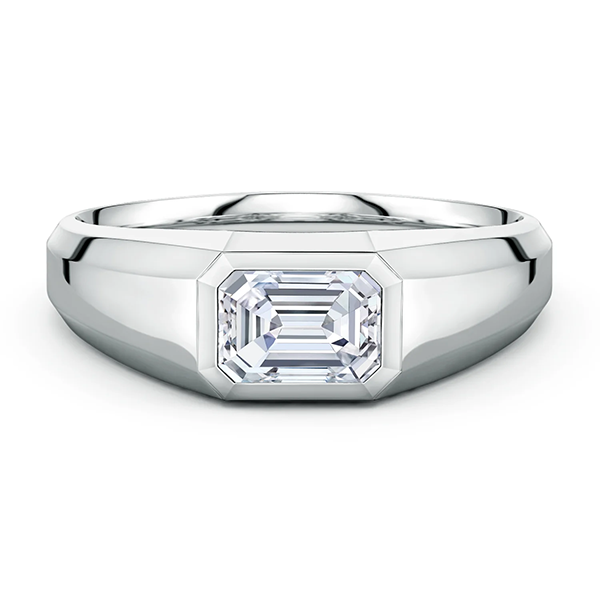
Men’s jewelry represents one high‑growth segment that demands intentional stock alignment. Wholesale mens diamond rings rely on specific mounting geometry: wider band widths, heavier prong structures, and often multi‑stone layouts or large center stone profiles. Sourcing large, bold‑cut stones without corresponding heavy‑gauge metal hardware results in partial sets that cannot ship as complete finished pieces. Operators should assess regional preference for matte versus polished finishes, as well as common carat weights local customers prefer for men’s styles, before committing to large‑scale gem acquisitions. Matching stone hardness to metal thickness also reduces production failures; harder gem materials hold up better in robust men’s mountings, while softer stones risk chipping under regular heavy wear.

Refine Stock Planning Through Practical Gemstone Inventory Audits

Consistent physical review keeps product assortments functional and prevents silent value erosion inside storage facilities. Gemstone inventory contains countless hidden variables beyond basic count and carat totals. Color drift across parcel batches, hidden inclusions only visible under magnification, and minor cut inconsistencies all change which hardware pieces each stone can properly fit. Many businesses only count unit quantities during audits, without grouping stones by shape, depth profile, and color grade. This approach creates misleading stock reports that overstate usable material volume.

Audit cycles should group loose goods into pairing‑ready categories. Sort stones by shape first, then by millimeter dimension, followed by color and clarity tiers. For each category, cross‑reference against existing mountings, bezels, and accent component stock. Flag stone batches with limited compatible hardware and adjust future purchasing volumes accordingly. Stones with unique, non‑standard dimensions can be reserved for custom‑order workflows instead of mass assembly, so they do not occupy shelf space intended for fast‑turn standard production. Audits also reveal gradual quality shifts within incoming gem parcels. Noticing these shifts early allows buyers to adjust hardware specifications, so newly arriving stones continue to integrate smoothly with existing component stock.

Evaluate Functional Compatibility Within Jewelry Supplies Assortments

Every assembly project depends on how well raw stone characteristics interact with available component stock. Jewelry supplies cover far more than ring mountings alone; pendants settings, earring posts, chain links, bead cups, and accent prongs all impose hard constraints on which loose stones can reach final production. Even when a stone fits a mounting’s seat dimension, other factors can halt assembly work. High‑domed cabochons, for instance, require taller bezels. If warehouse stock only carries low‑profile bezel cups, perfectly fine cabochon parcels cannot move into finished goods.

Metal alloy choices create another critical compatibility layer. Harder platinum settings hold prongs securely for harder gemstones, while softer gold alloys demand extra attention when setting brittle gem varieties. Thinner‑gauge settings cannot support heavier center stones without bending risk during setting or later customer use. Procurement teams need to view gem lots and component lots as one connected system rather than separate buying tasks. When restocking supplies, note which stone shapes and sizes the new components support, and avoid over‑purchasing hardware for which matching loose stone supply remains limited. This coordinated mindset directly cuts down on stagnant stock that sits waiting for complementary parts that never arrive.

Optimize Assembly Workflow With Strategic Loose Stone Pairing Practices

Production efficiency improves substantially when teams follow structured loose stone pairing before assembly begins. Loose stone pairing is not limited to matching color for earring pairs. It also covers depth matching, table alignment, and consistent light response across multi‑stone layouts. Mismatched depth among accent stones within one mounting creates uneven surface appearance once set, even if every stone shares identical millimeter diameter. Customers notice subtle visual inconsistencies, and inconsistent finished quality increases return rates.

Sort matched sets prior to sending batches to bench workstations. For multi‑stone halos, tennis‑style layouts, and cluster pieces, pre‑group stones that show similar brilliance and tone. Pre‑matching reduces bench labor hours, as jewelers spend less time sorting through bulk parcels mid‑production. Businesses serving both ready‑to‑ship and custom orders can separate pre‑matched stone sets for quick‑turn production, while reserving less uniform stones for custom requests where individual selection happens per‑order. This workflow maximizes throughput and raises overall finished‑product uniformity.

Reduce Waste Through Targeted Gemstone Matching For Seasonal And Trend Cycles

Market trends shift rapidly, and successful operators align incoming material with upcoming demand cycles. Gemstone matching considers trend‑driven color preferences alongside physical fit requirements. Seasonal retail pushes, holiday gifting periods, and rising social‑media‑driven aesthetics change which color tones and stone shapes move fastest. Pastel fancy‑color stones may perform strongly during spring retail seasons, while darker saturated gem variants gain traction for autumn‑winter statement collections.

Trend cycles create common pitfalls. Businesses may buy large gem parcels chasing viral aesthetics without checking if corresponding hardware is available. When trend momentum fades, leftover stones become difficult to liquidate. Procurement teams can mitigate risk by testing small mixed batches of trending stones, paired with limited runs of matching mountings. Monitor sell‑through rates for these test groups. Expand order volumes only once real sales data confirms market reception. This measured approach preserves working capital while still allowing businesses to capitalize on emerging consumer tastes.

Practitioners should also track how metal color interacts with gem tone. Rose gold hardware warms up cool‑toned gemstones, white metal amplifies icy colorless appearances, and yellow gold enhances warm gem hues. Keep these visual interactions in mind during stock planning. Group stones with compatible metal‑finish hardware combinations, so sales teams can quickly pull coordinated sets for customer orders without lengthy searching through disjointed storage bins.

Build Long‑Term Stock Resilience By Connecting Procurement And Production Insights

Sustained success relies on closing information loops between procurement, warehouse, and production teams. Production staff encounter real‑world fit conflicts every day that spreadsheet inventory reports never capture. Stones that look dimensionally correct on paper may display unforeseen setting challenges when bench work begins. Prong slippage, uneven seating, and light‑leaking gaps emerge repeatedly for certain stone‑hardware combinations. Document these recurring issues and feed observations back to purchasing workflows.

Shared reference documentation should record successful and problematic stone‑hardware combinations. Note which stone cuts perform well with specific bezel heights, prong counts, and metal gauges. Over time this internal knowledge base prevents repeated buying mistakes. New staff can reference accumulated practical data instead of learning costly lessons through wasted inventory.

Balanced stock strategy does not mean carrying every possible stone and hardware variant. Intelligent matching means selecting complementary sets of materials that can combine into high volumes of sellable finished pieces. When gemstone lots and component assortments speak to one another, businesses shorten lead times, lower holding costs, and deliver consistent quality to their customers. Every decision around incoming gem parcels and hardware stock gains greater impact when evaluated through the lens of how well each material will pair with what already lives inside inventory.

Critical Sourcing Points for Bulk Precious Metal Findings

Working with precious‑metal components defines the baseline quality of every finished jewelry piece, and poor procurement decisions can generate cascading issues across assembly, finishing, final inspection and end‑customer satisfaction. Many production teams focus solely on unit price while overlooking material consistency, documentation, and real‑world manufacturability. Even small deviations in alloy formula, dimension, or surface treatment may create expensive rework, high rejection rates, and brand reputation damage. When sourcing large volumes for continuous production, teams must balance material performance, commercial terms, and supply‑chain predictability to keep workshop workflows stable and output consistent.

Verify alloy purity and third‑party documentation

Metal purity sits at the foundation of reliable component performance, and verbal commitments from suppliers never replace formal test documentation. For gold‑based components, confirm exact karat values, alloy element ratios, and allowable impurity thresholds before order confirmation. Different karat formulations directly affect hardness, solder compatibility, wear resistance, and tarnish behaviour. 14K alloys contain higher copper and silver content compared with 18K grades, which creates distinct colour tones and mechanical performance; mixing incompatible alloy batches during assembly leads to uneven polishing results and visible colour mismatch across finished goods.

Fine jewelry findings require strict compliance with hallmark standards for major global markets, covering North America, European Union and other regulated territories. Every bulk shipment should accompany assay reports specifying metal composition, heavy‑metal limits, and traceability records. Special attention must go to nickel, lead and cadmium content, as non‑compliant lots can be detained at customs and block entire product launches. Suppliers should provide physical hallmark stamping samples for pre‑production review so stamping depth, font clarity and placement align with regional legal requirements. For repeat orders, specify periodic random batch testing to catch alloy drift that can emerge as melting batches change over long‑term cooperation.

For high‑density luxury applications, platinum findings introduce additional verification steps. Platinum group metal alloys often mix ruthenium, iridium or copper to tune hardness for clasps, settings, jump rings and post components. Pt950 and Pt900 are the most common industrial grades, yet substandard lots may substitute lower‑cost palladium in proportions unreported on paperwork. Request independent X‑ray fluorescence test reports for incoming batches, because visual inspection alone cannot detect subtle composition shifts. Platinum’s high melting point creates unique casting challenges; poorly controlled casting generates internal porosity, brittle solder joints and invisible micro‑cracks that only appear after stone‑setting or daily customer wear.

Control plating performance and surface finish consistency

Surface finishing directly impacts production yield and long‑term product durability, and plating failures represent one of the most frequent hidden costs in bulk component procurement. Rhodium plating on white‑gold parts must meet defined thickness specifications; thin plating wears quickly, revealing underlying yellow alloy and triggering large volumes of product returns. Different regional market guidelines publish minimum plating thickness benchmarks, and these technical figures should be written clearly within purchase specifications rather than left to supplier default settings.

When ordering gold findings bulk, clarify requirements for pre‑plating surface quality. Polishing scratches, micro‑pits and casting blemishes cannot be fully concealed by plating layers, and defective base surfaces amplify visual flaws after finishing. Request pre‑production physical samples representing actual bulk‑run quality, not hand‑finished premium prototypes. Evaluate solder point condition in particular; rough solder residues under plating create bumpy surfaces that require extra manual polishing time inside your workshop, raising internal labour overhead substantially.

Specify exact surface textures for each component category. Clasp springs require smooth burnished surfaces for repeated mechanical movement, while decorative connectors may call for matte, brushed or satin textures. Document texture references through physical sample sets and photo archives so successive production runs maintain uniform appearance. Tarnish resistance should also be validated through accelerated ageing testing for high‑volume orders, especially for components intended for humid‑climate markets.

Understand dimensional tolerance and mechanical fit

Even minor dimensional variance multiplies risk in mass assembly workflows. Findings such as jump rings, tube settings, earring posts, hinge parts and clasp mechanisms must fit precisely with other components during assembly. Tolerance values that seem insignificant on individual drawings can become critical when thousands of pieces flow through setting and assembly stations. Loose tolerances cause settings not to hold stones securely, jump rings failing to close properly, or earring posts misaligning with clutch backs, all boosting workshop rejection rates.

Define tolerance ranges for outer dimension, inner bore, wire gauge, hole size and spring tension within purchasing documents. For spring‑loaded clasps, mechanical performance matters as much as geometry; inconsistent spring strength across batches creates finished jewelry that opens unintentionally during wear. Request sample batches for bench testing with your standard assembly tools and stone sizes before releasing large orders. Many procurement teams only check static dimensions, ignoring real‑world interaction with stones, wire and other hardware, leading to costly adjustments after bulk goods arrive.

Weight consistency across batches also deserves close review. Precious‑metal pricing links directly to total metal mass, and uncontrolled weight variation creates unexpected material‑cost swings. Record target weight ranges per piece and enforce acceptable deviation limits in order terms. Batch‑to‑batch weight drift can signal unstable casting processes or alloy adjustment on the supplier side, acting as an early warning sign of broader quality decay.

Evaluate minimum order thresholds and flexible trial‑order options

Commercial terms in bulk procurement extend far beyond unit pricing, and rigid minimum‑order rules can tie up excessive working capital in slow‑moving inventory. Component suppliers apply minimum‑order quantity rules based on melting batch sizes, tooling setup cost and post‑processing cycles. Standard mould‑cast findings often carry lower entry volumes, while custom‑tooled shapes demand substantially higher minimum runs.

Brands expanding into new product categories need to assess whether suppliers support trial‑sized production lots before committing to full‑scale bulk delivery. Trial orders allow teams to validate alloy behaviour, plating quality, dimensional stability and real‑world assembly performance without exposing operations to large financial risk. Note that trial batches may carry small unit‑price premiums, yet this extra cost offsets far larger losses from defective large‑volume shipments. Tiered pricing schedules should be clearly laid out so procurement teams understand cost shifts as order volumes rise.

In modern fine‑jewelry ecosystems, many operations collaborate with a lab grown diamond maker alongside component suppliers. Aligning component procurement timelines with stone supply schedules streamlines overall production cycles. Setting seats on findings must match exact stone diameters and girdle profiles. Misalignment between stone dimension and finding seat geometry slows down setting work, increases stone chipping risk and reduces final‑product quality. Co‑ordination between stone source and component vendor becomes especially relevant for brands building collections built around lab‑grown centre stones and accent melee stones.

Leading lab grown diamond jewelry manufacturers maintain tight dimensional control for their stone output, yet component buyers cannot assume findings will automatically align with those stone specifications. Share precise stone measurement datasets with finding suppliers at the quotation phase, and test sample stones inside sample settings before mass manufacturing commences. This cross‑check eliminates fit‑related bottlenecks once both bulk stones and bulk components arrive on the production floor.

Assess lead‑time visibility and risk mitigation for bulk shipments

Precious‑metal supply chains face constant pressure from metal‑price volatility, raw‑material availability fluctuations, tooling maintenance cycles and logistical delays. Stated lead‑times on quotation documents do not always reflect real‑world performance, and missed delivery dates can halt entire collection launches. Procurement teams should dig into what each quoted lead‑time includes: confirm whether it accounts for sample review, casting cycles, plating work, internal quality checks and export preparation. Distinguish standard production windows from rush‑order schedules, and document associated surcharges for expedited manufacturing.

Build contingency planning into purchasing agreements. Identify which component styles have alternative supplier sources, so production can shift quickly if primary vendors encounter operational disruptions. Ask suppliers about their work‑in‑progress tracking ability, to gain visibility into melting status, casting completion and post‑processing stages for large orders. Clear communication protocols for delay notifications allow teams to adjust internal production planning rather than facing sudden unforeseen stoppages.

Shipping and insurance terms also carry meaningful risk for high‑value metal components. Confirm responsibility for cargo insurance during transit, packaging specifications to prevent scratching and deformation, and protocols for inspecting goods upon receipt. Pre‑define acceptance criteria and formal return or rework processes for non‑conforming batches. Without clear pre‑agreed terms, disputes over defective material can stretch for weeks, halting workshop output and damaging project timelines. Currency fluctuation deserves consideration as well, given that precious‑metal‑based component pricing moves in line with global metal spot rates. Clarify whether pricing locks at order placement date or at shipment date to avoid unexpected cost inflation after order confirmation.

Prioritize batch‑consistent quality control and incoming inspection protocols

Even highly reputable suppliers experience occasional batch‑level variation. Robust incoming inspection procedures protect internal workflows from inconsistent incoming stock. Develop practical checklists covering alloy documentation verification, visual surface examination, dimensional spot‑checking, mechanical function testing and random‑sample third‑party assay testing for high‑value lots.

Test mechanical behaviour beyond visual appearance. Open and close clasp samples repeatedly to confirm spring durability; stress‑test jump rings to spot weak solder points; examine earring post straightness and clutch fit. Many surface or structural defects only reveal themselves under simulated assembly and wear stress. Document all inspection results batch‑by‑batch, retaining physical reference samples from approved lots. These archives serve as objective benchmarks against which future deliveries can be measured.

Avoid the common mistake of approving a high‑quality pre‑production sample and expecting every bulk‑run unit to match exactly. Sample pieces often receive special manual finishing that cannot scale to thousands of components. Set realistic acceptable‑quality limits and communicate these thresholds fully to component suppliers. Establish clear feedback loops so recurring defects trigger corrective adjustments at the casting, polishing or plating stage, rather than simply rejecting finished goods after production completes.

Effective bulk sourcing of precious‑metal findings balances technical material knowledge, careful commercial negotiation, and cross‑functional alignment with gemstone supply streams. By systematically reviewing alloy certification, plating standards, dimensional fit, order flexibility, delivery reliability and incoming‑quality practices, production teams reduce avoidable waste, stabilise workshop yield, and support consistent quality for finished fine‑jewelry collections.

Consistent-Quality Fine Jewelry Supplies for Small‑Scale Brands

Small-scale fine jewelry brands face unique operational challenges that large luxury jewelry groups rarely encounter. While big brands secure long-term, bulk supply contracts with stable quality control and dedicated production lines, emerging boutique jewelry labels often struggle with fluctuating material quality, inconsistent batch craftsmanship, and unreliable supplier cooperation. For small brands focused on building long-term customer trust and brand reputation, stable supply quality is not merely a production requirement but the core foundation of sustainable business growth. Many emerging jewelry enterprises fail to scale not due to poor design or insufficient market demand, but due to frequent quality inconsistencies in raw materials and accessories that trigger customer complaints, return rates, and damaged brand credibility. As an experienced fine jewelry manufacturer serving global small and mid-sized jewelry enterprises, we break down professional, actionable standards and practical operational strategies to help small brands establish a stable, high-quality supply system and avoid common sourcing pitfalls in the fine jewelry industry.

Professional Supplier Evaluation Framework for Stable Supply Cooperation

The core of stable fine jewelry operation lies in selecting qualified and reliable cooperative factories, and scientific supplier screening can fundamentally reduce quality fluctuation risks. A complete and rigorous jewelry supplier vetting system covers factory qualification verification, production process standardization, quality inspection mechanism, and after-sales service guarantee, forming a full-link evaluation system suitable for small-batch customized orders. Unlike large-scale jewelry manufacturers that only accept bulk orders, excellent suppliers for small-scale brands need to balance low minimum order quantities, flexible customization capabilities, and strict quality control standards to adapt to the small-batch, multi-style operational characteristics of boutique jewelry brands.

In the supplier vetting process, small brands should first verify basic factory qualifications, including industrial and commercial certification, jewelry production qualification, and international material testing certification. Qualified manufacturers must provide complete material inspection reports, production process records, and finished product quality testing documents for each batch of products. Secondly, on-site factory inspection or remote production audit is essential to check whether the production equipment is advanced, whether the production line is standardized, and whether the quality inspection team is complete. Many small brands only focus on unit price when selecting suppliers, ignoring the importance of standardized production management, which leads to problems such as uneven material texture, inconsistent electroplating color, and unstable inlay firmness in subsequent mass production. A sound supplier management system can effectively solve these problems and lay a foundation for long-term stable cooperation.

Core Standards for High-Quality Fine Jewelry Material Selection

Material quality directly determines the grade, durability, and market reputation of finished jewelry, making precise material selection the top priority of jewelry material sourcing. Fine jewelry covers high-value core materials such as precious metals and artificial gemstones, as well as auxiliary accessories including clasps, chains, and inlay brackets. Every material link affects the overall quality of finished products, and small brands need to formulate unified material selection standards to eliminate batch differences caused by different material sources.

In precious metal material selection, mainstream fine jewelry materials such as sterling silver, 14K gold, and 18K gold must meet international purity standards. Manufacturers need to provide metal component testing reports for each batch of materials to ensure no adulteration of inferior metals and stable metal hardness and ductility, which is crucial for subsequent cutting, polishing, and inlay processes. For surface treatment processes such as electroplating and polishing, unified process parameters must be formulated to ensure consistent gloss, color difference, and wear resistance of finished products in different batches. Inferior metal materials are prone to oxidation, discoloration, and deformation after long-term wear, which will greatly reduce customer experience and brand reputation.

In terms of gemstone material selection, with the booming market demand for eco-friendly and cost-effective high-end fine jewelry, lab-grown gemstones have become the mainstream choice for small and medium-sized jewelry brands. Professional production and processing institutions can provide standardized gemstone materials for customized jewelry production, ensuring consistent color, clarity, and cutting specifications of each gemstone. Scientific material sourcing standards enable small brands to maintain unified product quality while controlling costs, forming core competitive advantages in the boutique fine jewelry market.

Batch Stability Control Mechanism for Fine Jewelry Production

The biggest pain point for small-scale jewelry brands in supply cooperation is batch quality instability. Due to small single order quantities, many mixed-order factories adjust production parameters randomly to adapt to different orders, resulting in obvious differences in product details between different batches, including inconsistent electroplating tone, uneven polishing fineness, and inconsistent gemstone inlay tightness. For boutique brands that focus on product uniformity and repeat customer repurchase rates, such quality differences are fatal to brand image building.

Reliable fine jewelry manufacturers adopt fixed production parameter management for long-term cooperative brands. After confirming the product process standard with the brand for the first time, they solidify core parameters including metal proportion, electroplating time, polishing process, and gemstone inlay standards into the production system. For each subsequent supplementary order, production is strictly implemented in accordance with the confirmed parameters to ensure zero difference in product details between different batches. Meanwhile, manufacturers will reserve a certain proportion of raw material inventory for long-term cooperative small brands to avoid quality fluctuations caused by raw material replacement and price fluctuations in the market.

In addition to production parameter solidification, strict batch sampling inspection is also a key link to ensure stability. Each batch of finished products will undergo dimensional inspection, wear resistance test, oxidation resistance test, and inlay firmness test. Unqualified products will be eliminated in full, and production processes will be adjusted in a timely manner to ensure that all products delivered to the brand meet unified quality standards. This standardized batch management mode effectively solves the quality instability problem of small-batch orders and helps small brands maintain consistent product presentation in long-term operation.

Sample Testing and Pre-Production Verification Practical Guidelines

Complete sample testing and pre-production verification are essential steps to avoid large-scale quality problems, and also the most cost-effective quality control method for small-scale jewelry brands with limited operating budgets. Before placing formal bulk orders, brands must complete multi-dimensional sample confirmation to lock all product standards and eliminate hidden quality dangers in advance.

The first step is initial sample confirmation. After the manufacturer completes the hand-made sample according to the brand’s design drawings and parameter requirements, the brand needs to check the overall size, proportion, process details, material texture, and gemstone cutting effect of the sample, and put forward modification opinions for non-compliant parts. After the sample is revised and confirmed to be error-free, both parties sign a formal sample confirmation document as the unified standard for subsequent mass production. The second step is small-batch trial production testing. After locking the sample standards, a small batch of trial production is carried out to verify the stability of mechanized production. Many hand-made samples have perfect details, but mass production is prone to process defects, so trial production testing can effectively verify the feasibility and stability of the production process.

The third step is long-term wear simulation test. Fine jewelry products need to have good durability, so manufacturers will simulate daily wear scenarios including friction, sweat corrosion, and temperature change to test the wear resistance, oxidation resistance, and color fastness of the products. Products that pass the long-term test can meet the daily wearing needs of customers and reduce after-sales quality problems. Through the three-step verification mechanism of sample confirmation, trial production testing, and simulation test, small brands can fully control product quality and avoid quality losses caused by blind bulk ordering.

Professional Lab Diamond Supply Solutions for High-End Custom Jewelry

High-end customized fine jewelry represented by diamond rings is the core profit segment of many small-scale jewelry brands, and stable supply of high-quality lab diamonds is the key to supporting brand upgrading and product iteration. As a professional lab diamond factory integrating diamond cultivation, cutting, polishing, and finished product customization, we provide standardized high-quality lab-grown diamond raw materials and finished ring customization services for global small and medium-sized jewelry brands, solving the problems of uneven diamond quality, incomplete specification coverage, and unstable delivery cycle in the traditional supply market.

Different from scattered small suppliers, professional lab diamond production institutions have complete independent production lines and quality inspection systems. All lab diamonds are graded in strict accordance with international 4C standards, with unified color, clarity, cut, and carat specifications, realizing zero difference in batch supply. For small brands engaged in high-end customized jewelry business, standardized lab diamond supply can ensure that each customized diamond ring has stable quality and consistent visual effect, improving customer recognition and brand professionalism.

Many consumers and brand operators have misunderstandings about lab-grown diamond jewelry, thinking that the quality of artificial diamonds is unstable. In fact, standardized industrial production makes lab diamonds have more stable quality and more controllable parameters than natural diamonds. Mature production technology can precisely control the internal crystal structure and optical performance of diamonds, making the fire and brightness of lab diamonds more uniform. Relying on professional lab diamond production capacity, small brands can launch high-cost-performance and high-quality diamond ring products to quickly occupy the mid-to-high-end fine jewelry market.

Diversified Supply Support for Small-Scale Fine Jewelry Brand Operation

To meet the diversified and personalized market demands of current fine jewelry consumers, small brands need rich and high-quality fine jewelry supplies support, covering precious metal accessories, gemstone raw materials, inlay parts, and finished product semi-finished accessories. Excellent fine jewelry supply systems not only provide standardized bulk materials but also support personalized customized material processing, adapting to the design iteration rhythm of boutique jewelry brands.

In terms of supply diversity, professional manufacturers can provide multiple material options including S925 sterling silver, titanium steel, K gold, and various lab-grown gemstones such as diamonds, moissanite, and sapphires. Meanwhile, they support personalized processing of different electroplating colors, polishing textures, and inlay processes, helping small brands form differentiated product systems. In terms of supply flexibility, manufacturers support small-batch customized orders and flexible supplementary orders, which perfectly matches the light asset operation mode of small-scale brands, avoiding inventory backlog and capital waste caused by large-batch stocking.

In addition to material supply, professional manufacturers also provide one-stop supporting services including design optimization, process guidance, and quality after-sales guarantee. For small brands without professional production teams and process experience, these value-added services can greatly reduce the threshold of fine jewelry product development and production, help brands quickly launch new products, and improve market competitiveness.

Long-Term Cooperation Advantages for Lab Grown Diamond Ring Companies and Small Brands

In the mid-to-high-end fine jewelry market, customized diamond ring products have always been the core consumer hot spot. Excellent lab grown diamond ring companies can form long-term stable strategic cooperation with small-scale jewelry brands, providing exclusive customized supply solutions and brand differentiated support. Different from ordinary material suppliers, professional diamond ring customization enterprises have in-depth insight into the market trends and consumer preferences of fine jewelry, and can provide targeted product optimization suggestions for small brands.

In long-term cooperation, professional lab grown diamond ring companies will provide exclusive material parameter standards and process systems for cooperative small brands, forming exclusive product quality advantages that are different from other market brands. Meanwhile, they provide priority production rights and stable delivery cycle guarantees for long-term cooperative brands, ensuring that brands can respond quickly to market order demands and avoid customer loss caused by delayed delivery. In terms of quality guarantee, formal manufacturers provide long-term quality after-sales service for customized diamond ring products, solving the worries of small brands in after-sales operation.

For small-scale fine jewelry brands, cooperating with professional and standardized manufacturers is the fastest and most effective way to achieve stable product quality and sustainable brand development. Through scientific supplier evaluation, standardized material sourcing, strict batch quality control, and complete sample testing mechanisms, brands can completely get rid of the troubles of quality instability and supply uncertainty. In the increasingly competitive fine jewelry market, stable and consistent product quality is the best brand business card, helping small boutique brands accumulate word-of-mouth, expand market share, and finally realize steady and long-term brand growth.

The Latest Trends in Fine Jewelry Supplies for Wholesale

The global fine jewelry wholesale industry is undergoing a profound transformation driven by evolving consumer preferences, sustainable manufacturing innovations, digital supply chain upgrades, and shifting retail market demands. As a professional fine jewelry manufacturer with years of experience serving global retailers, boutique brands, and custom jewelry enterprises, we have witnessed distinct market shifts that redefine the standards of wholesale fine jewelry supplies in 2026 and beyond. Modern wholesale buyers no longer prioritize low prices alone; they balance cost efficiency, product uniqueness, sustainable craftsmanship, market adaptability, and operational convenience. Understanding these cutting-edge trends is critical for retailers to optimize inventory, boost sales competitiveness, and cater to the fast-changing fine jewelry consumption market.

Dominance of High Quality Lab Created Gemstone Supply Chains

Sustainability and cost performance have become core competitive advantages in the current fine jewelry wholesale market, pushing lab-created gemstones from a niche market choice to a mainstream supply trend. Traditional natural gemstone supplies face persistent challenges including scarce mineral resources, unstable pricing, long procurement cycles, and opaque origin certification, which greatly limit the inventory turnover and profit space of small and medium-sized jewelry retailers. In contrast, lab-created gemstones feature stable quality, standardized color and clarity grading, zero mining damage, and flexible customization capabilities, perfectly matching the sustainable consumption concept pursued by modern young consumers.

As a leading manufacturer specializing in fine jewelry raw material production and finished product customization, we have upgraded our gemstone production lines to focus on high-precision lab-grown gemstone crafting. Among the most popular market resources, synthetic diamonds wholesale has become the most sought-after supply category for global fine jewelry wholesalers and retailers. Our synthetic diamond products strictly follow international 4C grading standards, covering diverse carat weights, color grades, and clarity levels, with consistent batch quality and far lower pricing than natural diamonds of equivalent specifications. This supply model enables downstream retailers to launch high-end diamond jewelry lines at a moderate cost, covering entry-level daily wear styles and high-end ceremonial pieces, effectively expanding customer groups and market coverage. Meanwhile, we provide complete origin inspection reports and quality certification documents for each batch of synthetic diamonds, eliminating the authenticity verification risks that trouble traditional gemstone procurement and greatly improving the transaction efficiency of wholesale orders.

Growing Market Demand for Matched Fine Jewelry Sets

Single-piece fine jewelry sales are gradually losing market dominance, while matched jewelry sets have become the new growth engine of the wholesale fine jewelry industry. Contemporary consumers prefer coordinated and unified wearing styles, whether for daily casual matching, workplace formal dressing, wedding ceremonies, or holiday gift-giving scenarios. Complete jewelry sets can create a more integrated and high-end aesthetic effect, and also increase the unit customer price of retail sales, bringing higher profit margins for jewelry merchants. This consumption trend drives wholesale manufacturers to adjust product development and supply strategies, focusing more on series design and matching product layout.

In the high-end fine jewelry segmentation market, wedding and engagement jewelry sets maintain stable and strong market demand, with updated design styles and craft standards year by year. diamond ring sets wholesale stands out in the set jewelry category due to its strong scenario applicability and high repurchase rate. Our independently developed diamond ring sets integrate classic and trendy design elements, matching main diamond engagement rings with auxiliary diamond wedding bands or decorative rings of the same series. The products adopt precision inlay technology to ensure firm stone setting, smooth polishing, and durable electroplating, avoiding common problems such as loose stones and fading that plague low-cost jewelry. For wholesale customers, purchasing matched ring sets reduces the difficulty of product selection and shelf matching. Retailers can launch packaged sales or single-item sales models according to customer needs, with flexible sales methods and low inventory pressure. In addition, we support batch customization of ring sizes, diamond specifications, and metal materials, adapting to the aesthetic differences and wearing habits of consumers in different regions and meeting the personalized procurement needs of global wholesale buyers.

Digital Transformation of Wholesale Procurement Channels

The traditional fine jewelry wholesale model relying on offline exhibitions, manual negotiation, and offline sample inspection has obvious limitations in the digital era, including high time cost, limited transaction radius, and opaque product information. With the rapid development of cross-border e-commerce and digital supply chain management, online wholesale procurement has become the mainstream development trend of the fine jewelry industry. More and more physical jewelry stores, online jewelry brands, and cross-border e-commerce sellers choose to complete raw material procurement and finished product ordering through professional online channels, which promotes the iterative upgrading of wholesale service models across the industry.

Professional online procurement platforms have broken the geographical restrictions of traditional wholesale transactions, enabling global buyers to quickly obtain high-quality fine jewelry supply resources. A professional and standardized wholesale jewelry website has become an essential service carrier for fine jewelry manufacturers to connect with downstream customers. As a manufacturer, we have built a fully functional official wholesale platform that displays full-category fine jewelry supplies, including lab-grown diamond raw materials, finished diamond jewelry, silver inlaid gemstone jewelry, customized jewelry accessories, and limited-edition designer series. The platform provides high-definition product detail pictures, 3D display videos, real quality inspection reports, and detailed parameter descriptions of each product, allowing buyers to check product quality and specifications remotely without offline visits.

In addition to product display, the wholesale jewelry website also realizes online inquiry, batch order placement, customized scheme communication, order progress tracking, and after-sales one-stop service. We set differentiated wholesale discount rules according to order quantity, support mixed batch procurement of multiple styles to reduce customer inventory pressure, and provide stable global logistics distribution and perfect after-sales guarantee services. This digital wholesale model greatly shortens the procurement cycle, reduces the communication and time cost between manufacturers and buyers, and improves the overall operational efficiency of the fine jewelry wholesale supply chain.

Upgraded Craftsmanship and Personalized Customization Services

In the era of homogenized fine jewelry products, exquisite craftsmanship and personalized customization capabilities have become the core competitiveness of wholesale manufacturers. Modern consumers are no longer satisfied with mass-produced conventional jewelry; they pursue unique design sense, exclusive symbolic meaning, and high-end craft texture. This demand drives wholesale fine jewelry supplies to shift from standardized mass production to flexible customized production, and more wholesale buyers tend to cooperate with manufacturers with independent design and customized production capabilities.

We keep up with market trends and continuously upgrade production craftsmanship, introducing advanced precision cutting equipment, micro-inlay technology, and environmental protection electroplating processes. All fine jewelry products are manually polished and inspected by professional craftsmen layer by layer, ensuring smooth lines, three-dimensional vision, and comfortable wearing experience. In terms of personalized services, we support diverse customized needs such as personalized engraving, exclusive pattern design, material replacement, and color matching adjustment. Wholesale customers can put forward exclusive design requirements according to their brand positioning and consumer group characteristics, and our professional design team will quickly complete scheme docking, sample production, and batch mass production. This highly flexible customized supply model helps downstream retailers build differentiated product advantages, avoid homogeneous market competition, and enhance brand stickiness with end consumers.

Sustainable and Eco Friendly Supply Chain Standardization

Environmental protection and sustainable development have penetrated every link of the fine jewelry industry chain and become an important evaluation standard for wholesale buyers to select cooperative manufacturers. Global consumers’ awareness of green consumption continues to rise, and more customers are willing to pay premium prices for eco-friendly, pollution-free, and socially responsible fine jewelry products. Correspondingly, jewelry retailers pay more attention to whether manufacturers adopt environmentally friendly production processes, recycled metal materials, and sustainable gemstone sources when purchasing wholesale supplies.

As a responsible fine jewelry manufacturer, we have fully promoted the standardized construction of sustainable supply chains. All metal materials used in products adopt recycled high-purity silver and environmentally friendly alloy materials, which reduce metal mining pollution and meet international environmental protection certification standards. The lab-created gemstones we supply do not involve mineral mining, realizing zero damage to the ecological environment. At the same time, we have optimized the production process, reduced industrial wastewater and waste gas emissions in the production link, and adopted environmentally friendly and degradable packaging materials for wholesale products. All products can provide complete environmental protection certification files, helping downstream retailers complete brand green marketing and meet the sustainable consumption needs of modern markets. In the future, sustainable supply capacity will become the basic threshold for fine jewelry wholesale manufacturers to participate in market competition and an important guarantee for long-term stable cooperation with global buyers.

The fine jewelry wholesale supply industry is in a period of rapid iteration and upgrading, with synthetic diamond popularization, matched jewelry set upgrading, digital channel transformation, personalized customization, and sustainable supply chain construction becoming the five core development trends.