Ways to Verify Material Authenticity in Online Fine Jewelry Supplies
Global sourcing for fine jewelry components has expanded rapidly through digital marketplaces, opening access to broad inventories of precious metals, genuine gemstones, and innovative man‑made alternatives. Even with convenient online ordering, material misrepresentation remains a persistent risk for bulk buyers. Mismatched metal purity, undisclosed gem treatments, and swapped synthetic variants can cause heavy financial losses, damage brand reputation, and trigger compliance issues when finished goods reach retail markets. Buyers must build practical, repeatable workflows to separate credible stock from misleading listings, especially when evaluating mixed inventories that combine natural stones with jewelry material testing standards for man‑made alternatives. Every sourcing decision should balance cost efficiency with verifiable proof of material composition, regardless of whether orders focus on precious metal findings, colored gemstones, or modern synthetic gemstone jewelry.
Establish baseline supplier due diligence before placing bulk orders
Many sourcing disputes stem from skipping background review and trusting product photos and written descriptions alone. Comprehensive review of supplier track records sets the first defensive layer before committing to large‑volume purchases. This work forms the core of supplier qualification check, covering business documentation, historical customer feedback, production transparency, and disclosure policies for treated or synthetic materials.
Review publicly available business records to confirm operational legitimacy. Cross‑reference business registration documents, export permits, and past transaction feedback from verified bulk purchasers. Pay close attention to recurring complaints about material inconsistency, swapped goods, or certificates that fail third‑party validation. Reputable partners openly share production workflows, clarify marking standards for gold, platinum, or silver, and clearly label synthetic gem variants instead of marketing them under vague natural‑sounding names.
Special caution applies while evaluating listings for lab grown emerald wholesale. This segment sees frequent mislabeling where hydrothermal‑created emeralds are presented as natural without clear notice. Reliable suppliers will state growth methods upfront, describe observable gem features, and explain what documentation accompanies each batch. Avoid vendors who dodge direct questions about material origin, refuse video verification of physical stock, or push for full advance payment without flexible inspection terms. Strong supplier qualification does not eliminate all risks, but it filters out high‑risk partners before capital is committed to large shipments.
Conduct structured pre‑production physical evaluation of selected pieces
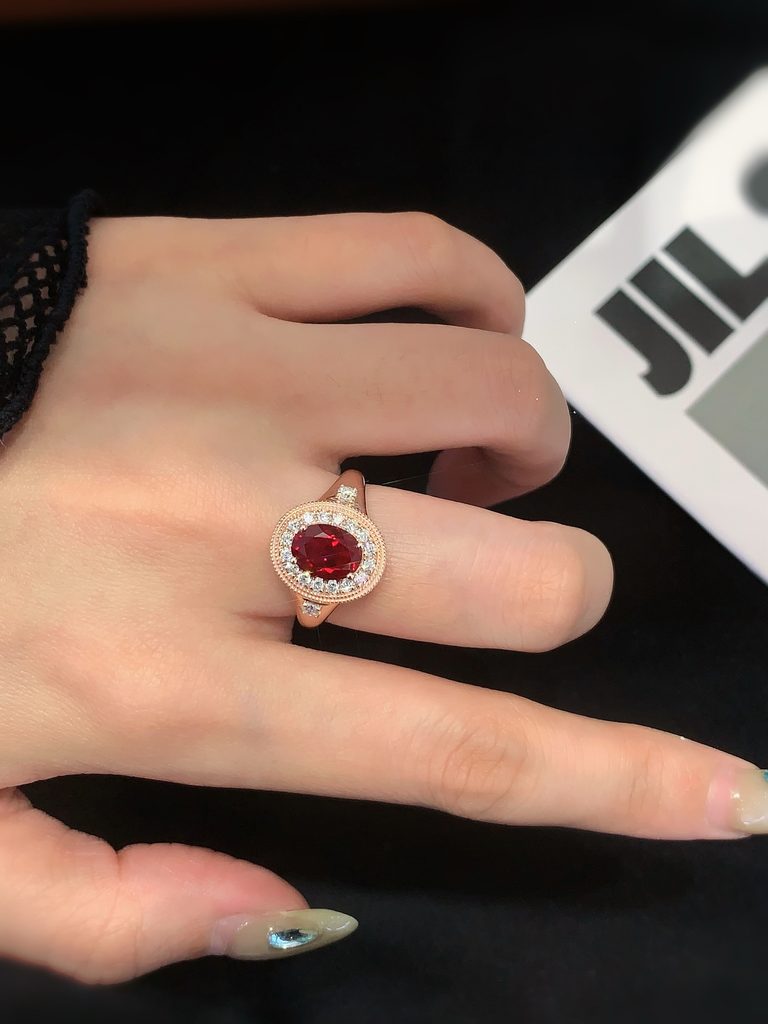
Digital photos and digital certificates cannot fully replace hands‑on assessment of physical merchandise, which makes jewelry sample inspection irreplaceable for online bulk sourcing. Before locking in large batch shipments, buyers should request representative physical samples pulled directly from the exact production run intended for their order, rather than promotional display pieces kept separately for marketing purposes.
Sample sets should mirror the full diversity of your planned bulk order. If your purchase covers multiple metal grades, mixed gemstone sizes, and both natural and synthetic gemstone jewelry, include examples of every major category within your sample submission. Document every sample with clear photos, weight records, dimensional measurements, and visible hallmarks or laser inscriptions. Keep these physical samples stored safely as reference benchmarks, so you can compare them against mass‑produced goods once full shipments arrive.
During sample inspection, do not rely solely on visual observation. Visual checks can detect obvious defects, but they cannot reliably separate natural gems from high‑quality synthetics, or verify precise metal purity. Collect all supporting documentation sent alongside samples, and cross‑check each report number against official lab databases. Note any inconsistent details: mismatched carat weights, contradictory color descriptions, or blurry reference photos on certification papers are common warning signs of counterfeit or reused certificates, known within the trade as “certificate swapping”. Even if samples pass initial visual review, forward selected pieces to independent gemological labs for formal analysis before finalizing bulk purchase contracts.
Validate lab‑issued documentation and identify common certification pitfalls
Certificates serve as critical supporting evidence, yet counterfeit documents circulate widely across global jewelry supply channels. Many bad actors replicate logos and formatting from respected gemological institutions to create convincing‑looking papers that carry zero real‑world validation. Buyers need concrete steps to separate authentic reports from forgeries, instead of simply accepting documents attached to online product listings.
Always look up report numbers directly on the official laboratory website. Never trust links sent within supplier messages, as these can direct users to fake replica sites. Authentic lab entries will reproduce core data including stone dimensions, carat weight, color characteristics, treatment status, and material classification. Compare every numerical detail against your physical sample. A difference of a few hundredths of a carat or minor variance in measured dimensions strongly suggests the certificate belongs to a different piece entirely.
Pay extra attention to terminology for synthetic gemstone jewelry. Valid documentation explicitly notes synthetic origin for lab‑created stones, including material from lab grown emerald wholesale batches. Legitimate reports will specify hydrothermal growth processes and note any color modification treatments. Watch out for ambiguous wording that avoids clear synthetic disclosures, or certificates issued by obscure laboratories with no publicly searchable record system. When reports omit critical origin and treatment information, treat the document as incomplete even if the layout appears professional.
Deploy multi‑layer verification for full‑batch shipments after delivery
Even qualified suppliers and pre‑approved samples cannot guarantee zero deviation across large production batches. Minor inconsistencies in alloy mixing, undisclosed gem replacement, or substitution of treated stones can appear within mass‑produced stock, so post‑delivery verification remains essential. Create a randomized sampling protocol for incoming bulk shipments. Pull representative units from different sections of each shipment box, rather than checking only top‑layer pieces.
For metal components, X‑ray fluorescence testing delivers non‑destructive purity readings for gold, silver and platinum, revealing discrepancies between stamped hallmarks and real alloy composition. For gem‑set items, gemological microscopes and spectroscopic tools help distinguish natural inclusions from growth patterns typical of synthetic counterparts. Not every single unit within a large order needs full lab testing, but random spot checks create accountability and catch systemic production shifts early.
Build contractual safeguards into every purchase agreement. Formal terms should outline acceptable tolerance ranges for metal purity, define mandatory disclosure for synthetic or treated gemstones, and lay out resolution procedures if third‑party testing discovers material misrepresentation. Trusted suppliers accept independent third‑party verification and support returns or adjustments for non‑compliant merchandise. Suppliers who push back against testing rights or refuse to honor discrepancy clauses create unnecessary risk for long‑term cooperation.
Develop long‑term sourcing discipline to sustain consistent material quality
Sustainable sourcing success relies on consistent habits rather than one‑off checks for individual orders. As you build ongoing partnerships, keep historical testing records organized for past sample sets and completed shipments. Retain lab reports, measurement logs, and sample reference materials, so you can compare new batches against proven benchmarks from previous orders.
Stay updated on evolving market trends within synthetic gemstone jewelry. Innovations in hydrothermal and flux‑grown gem production continuously improve the visual similarity between lab‑made and natural stones. Products sourced through lab grown emerald wholesale channels now match natural emerald appearance so closely that only specialized lab instruments can reliably tell them apart. Relying on naked‑eye observation alone creates significant risk of misclassification. Read More.
Set realistic expectations around cost. When online listings show prices drastically lower than global market benchmarks for a given material grade, treat these listings with heightened suspicion. Unrealistically low pricing frequently signals material substitution, hidden treatments, or falsified documentation. Cost savings are achievable through efficient supply chains, but extreme discounts almost always come with hidden trade‑offs in material authenticity.
Transparent material verification protects not only your business bottom line but also end‑customer trust. The workflows built around supplier background assessment, sample validation, certificate authentication, and batch spot‑checking create a stable foundation for sustainable online wholesale fine jewelry supplies sourcing. By embedding these practices into every purchasing cycle, buyers reduce exposure to fraud, keep product quality steady, and build resilient supply relationships in an increasingly complex global jewelry marketplace.