Fine Jewelry Supplies for Eco‑Driven Jewelry Businesses
Consumer buying habits have shifted dramatically within fine jewelry markets over recent years. Modern buyers no longer evaluate pieces purely by sparkle and craftsmanship. They dig deeper into material origins, carbon footprints, and production ethics before completing purchases. For eco‑driven jewelry businesses, building authentic collections means moving past surface‑level green marketing and securing consistent, verifiable material streams that match brand values. Many creative operators face real frustrations while hunting for compatible inputs: inconsistent stock levels, incomplete documentation, inflated pricing, or suppliers that cannot back up sustainability claims with tangible proof. Navigating this landscape requires clear understanding of material options, production standards, and practical supply chain workflows to turn responsible design concepts into sellable finished stock.
Recycled Precious Metals as Foundation of Responsible Fine Jewelry Work
Precious metal mining carries heavy environmental costs. Traditional gold extraction generates massive carbon emissions, consumes huge volumes of fresh water, and creates large volumes of toxic waste rock across mining sites. Recycled precious metals eliminate most of that harm by re‑processing existing gold, silver, and platinum sourced from retired jewelry, industrial scrap, and post‑consumer returns. Refining technology today delivers alloy quality identical to newly mined material, so hardness, color tone, and polishing performance hold no visible difference for finished fine jewelry.
Working with recycled stock still brings practical hurdles for growing brands. Some metal vendors only offer large bulk lots, putting high minimum order barriers for small‑batch designers. Other suppliers fail to provide trace records, leaving brands unable to share origin stories with their own customers. Reliable partners deliver alloy variants including 10K, 14K, and 18K gold alongside sterling silver and platinum group metals, with certification documents tracing each batch back to scrap sources. Operators can order pre‑made wires, sheets, and cast grain ready for workshop fabrication, cutting down internal processing workload.
Brands can integrate circular workflows beyond purchasing recycled stock. Setting up return programs for old customer jewelry creates closed‑loop cycles. Returned pieces get melted and refined straight back into new collections. This practice resonates strongly with ethically focused shoppers and generates steady secondary material streams to stabilize long‑term production cycles. When assessing potential metal suppliers, verify refining protocols, batch‑by‑batch traceability papers, and flexible order sizes that align with your production volume.
Component Choices That Reinforce Sustainable Brand Identity
Every small fitting inside fine jewelry shapes overall environmental performance. Clasps, jump rings, posts, bails, and setting bases often get overlooked during material planning, yet these components add up across full collections. Conventional mass‑produced findings frequently rely on virgin metal inputs and heavy chemical finishing processes. Thoughtful selection of components ensures every single part of your final piece aligns with core brand commitments.
Green jewelry supplies span complete ranges of cast and stamped parts finished with low‑waste surface treatments. Rhodium plating carried out within closed‑loop systems recirculates rinse water and reduces chemical discharge. Recycled‑metal pre‑fabricated settings remove the need for extensive in‑house casting, cutting energy expenditure for small studios. Design teams gain access to diverse styles, from minimalist smooth profiles to detailed vintage‑style structures, without sacrificing environmental standards.
Many jewelry creators mistakenly assume sustainable component options carry prohibitive price tags. Strategic ordering helps manage costs. Combining component orders with metal grain shipments reduces shipping emissions and freight expenses. Mixing standard stock parts with limited custom‑modified pieces balances lead time and creative uniqueness. Always confirm plating thickness specifications when reviewing samples. Thin coatings wear quickly and create higher long‑term return rates, undermining both customer experience and sustainable goals.
Gemstone Sourcing Strategies for Modern Sustainable Collections
Gem selection represents one of the most impactful decisions for eco‑driven jewelry businesses. Natural mined gemstones carry complex ethical risks, from habitat destruction to uncertain labor conditions across multiple global regions. Lab‑created gem alternatives deliver matching physical beauty while removing mining‑related harms, opening fresh creative possibilities for contemporary fine jewelry lines.
Lab grown diamond melee companies deliver calibrated small‑size stones essential for halo layouts, pave surfaces, milgrain detailing, and accent work across rings, earrings, and neckwear. Consistent dimension matching is critical for melee; poorly calibrated stones create uneven pave surfaces and increase bench labor during setting work. Trustworthy operators maintain graded inventory covering multiple color and clarity grades, offer mixed‑size parcels, and provide laboratory certification for larger melee lots. Design teams gain flexibility to scale from limited‑run artisan pieces through to higher‑volume retail releases without compromising sustainability standards.
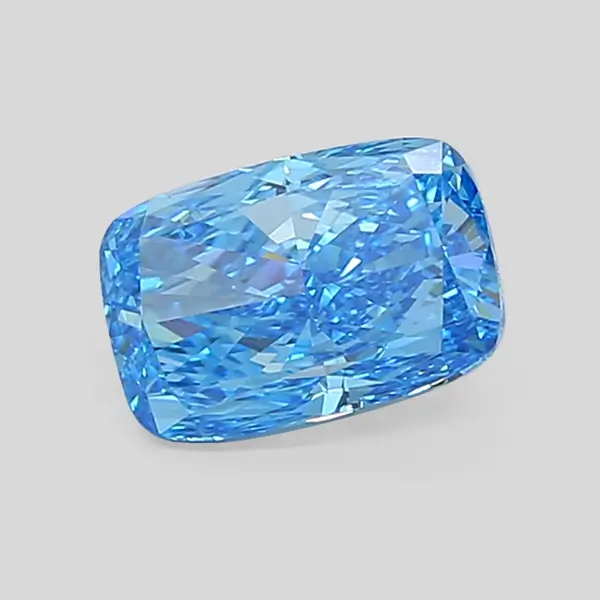
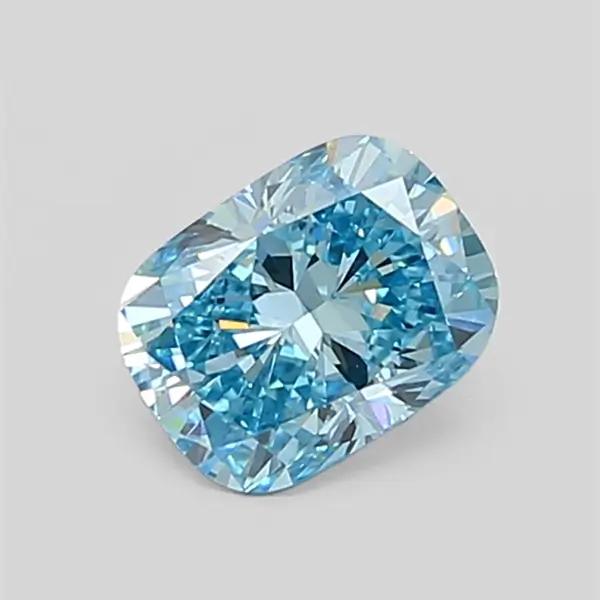
Adding standout signature pieces helps brands stand out in crowded marketplaces. Fancy colored diamonds wholesale unlocks access to vivid pink, yellow, and blue lab‑grown stones in both accent dimensions and larger center‑stone carat weights. HPHT and CVD manufacturing methods produce distinct color palettes, giving designers choices to match collection aesthetics. These colored gems command strong consumer interest and allow brands to build high‑margin statement lines that differentiate store offerings from generic competitor inventory. Request sample parcels before committing to large orders, to evaluate color saturation under both studio lighting and retail showroom conditions.
Practical Approaches Toward Streamlined Sustainable Jewelry Sourcing
Even with excellent material options available, many jewelry operators struggle to coordinate multiple vendors for metals, findings, melee, and colored gemstones. Managing several separate suppliers generates extra administrative overhead, inconsistent delivery timelines, and complicated quality control workflows. This real‑world friction is why sustainable jewelry sourcing deserves careful advance planning rather than ad‑hoc ordering as production needs arise.
Start by mapping your full product portfolio. Document which styles require melee accents, which depend on colored gem focal points, and which lines lean heavily on metal‑forward minimal design. This overview reveals which materials you order repeatedly and which inputs appear only for seasonal limited runs. Consolidate recurring material purchases with partners capable of covering multiple categories whenever possible. Single‑source workflows simplify traceability tracking and cut down repeated shipping footprints.
Build clear checklists for every incoming shipment. Verify certification paperwork matches physical batch numbers, inspect component finishing quality, and test gemstone consistency against pre‑approved reference samples. Establish realistic lead‑time expectations. Recycled metal refining, custom calibrated melee preparation, and specialty colored gem production can require extended turnaround compared to conventional mass‑produced goods. Build those timelines into your collection launch calendars to avoid stock shortages.
Keep open communication channels with your material partners. Share your collection roadmaps. Advanced notice of upcoming seasonal demand spikes allows suppliers to reserve inventory for your projects, preventing stock‑out situations. Reputable partners will also share updates about new material developments, fresh color variants, and improved finishing techniques that can elevate your future designs.
Navigating Market Dynamics of Eco Jewelry Wholesale
Market demand for ethically produced fine jewelry keeps expanding across retail channels. Shoppers actively search out brands that openly communicate material stories, and retailers increasingly prioritize inventory lines backed by verifiable responsible credentials. Within this shifting landscape, eco jewelry wholesale continues to evolve to serve small independent designers and established label operators alike.
Price sensitivity remains a common concern. Sustainable inputs can carry modest cost premiums over conventional alternatives, though lab‑created gem options often deliver value advantages versus mined equivalents. Thoughtful product assortment mitigates margin pressure. Mix everyday accessible SKUs together with premium statement pieces built around fancy colored gems. This structure serves varied customer budgets while preserving healthy overall profitability.
Transparency forms your strongest selling asset. You do not need dense technical documents for public‑facing content. Condense verified facts about recycled metal origins, lab‑grown gem production, and low‑waste component processing into approachable brand storytelling. Share summarized certification highlights on product pages, hang tags, and social content streams. Consumers do not expect perfect perfection, yet they reject vague greenwashing claims unsupported by real documentation.
Evaluate potential wholesale partners beyond price comparisons. Review sample quality, flexibility on order volumes, responsiveness for technical questions, and willingness to supply supporting certification records. Some providers cater exclusively to very large‑volume output, while others structure offerings to support emerging creators with modest order minimums. Matching supplier operational profile to your business scale avoids unnecessary pressure on cash flow and inventory budgets.
Building Long‑Term Resilience Through Informed Material Decisions
The shift toward sustainable fine jewelry is not a short‑lived trend. It represents lasting structural change within consumer expectations and global industry standards. Eco‑driven jewelry businesses gain lasting competitive advantage by embedding responsible material practices deep into core operations, instead of treating sustainability as a superficial marketing add‑on.
Successful operators continuously refine their material workflows. Test new component finishes, evaluate updated gemstone stock, and revisit metal supply terms as business scales. Document lessons learned from each production cycle. Note which material variants perform best in finished goods, which inputs lead to higher repair rates, and which suppliers deliver most reliable delivery performance. These observations sharpen decision‑making for every future collection rollout.
Keep customer feedback central to your process. Track reactions to pieces featuring colored lab‑grown stones, and note buyer questions about material provenance. Direct consumer insights guide where to expand product ranges and which educational content matters most for your audience. When supply challenges appear, treat those moments as opportunities to adjust rather than compromise core values. Alternative material formats, adjusted production batch sizes, and staggered inventory builds can resolve most supply bottlenecks without abandoning sustainability commitments.
Fine jewelry built from thoughtfully sourced materials connects emotional storytelling with tangible environmental progress. Every order placed for recycled metal, responsible findings, and ethically produced gemstones sends signals across global supply networks. As more creative businesses prioritize these inputs, they collectively push the whole industry toward lower‑impact, more transparent operating models for years ahead.