Matching Loose Gemstones With Fine Jewelry Supply Inventory
Fine jewelry businesses often struggle with disconnected stock pools, where loose gemstone stock sits separate from finished mountings, chains, and metal components. Many operators purchase gem parcels and hardware lots independently without cross‑referencing specifications, leaving piles of material that cannot assemble into sellable goods. Misaligned dimensions, incompatible setting styles, and mismatched color profiles create slow‑moving stock that locks up capital for months or even years. Thoughtful alignment between loose stones and component stock removes these bottlenecks, accelerates order turnaround, and expands product possibilities without unnecessary inventory risk. Drawing from direct production experience, this article breaks down practical workflows to sync stone selections with hardware stock, avoid common buying traps, and build adaptable assortments that respond to real‑world market demand.
Align Stone Calibration With Mounting Dimension Specifications
Size compatibility forms the foundational layer of effective stock coordination. Even high‑quality loose gemstones cannot deliver commercial value if their millimeter dimensions do not match the seat openings of available ring, pendant, and earring mountings. Many buyers source bulk gem lots based only on carat weight, ignoring physical diameter and depth measurements. A 1.0‑carat round stone from one cut lot can vary significantly in table size and total depth compared to another stone of identical carat weight, creating fit issues when dropped into pre‑made settings. Deep‑cut stones will not sit flush within standard bezels, while overly shallow stones shift inside prong settings and risk damage during polishing and daily wear.
Build reference tables mapping popular mounting inner seat sizes to corresponding calibrated gemstone measurements. Sort incoming gem parcels by millimeter size rather than carat ranges, so stock teams can instantly cross‑check against mounting inventories. Pay extra attention to fancy shapes including oval, cushion, and emerald cuts, where length‑to‑width ratios heavily influence fit within pre‑fabricated mountings. When adding new hardware batches, record exact seat dimensions alongside style codes, so procurement teams know exactly which stone sizes should be ordered to pair with each hardware SKU. This simple practice eliminates scenarios where large volumes of attractive stones remain unusable simply because no matching settings exist within the warehouse.
Balance Market Demand Profiles Across Stone Categories and Hardware Lines
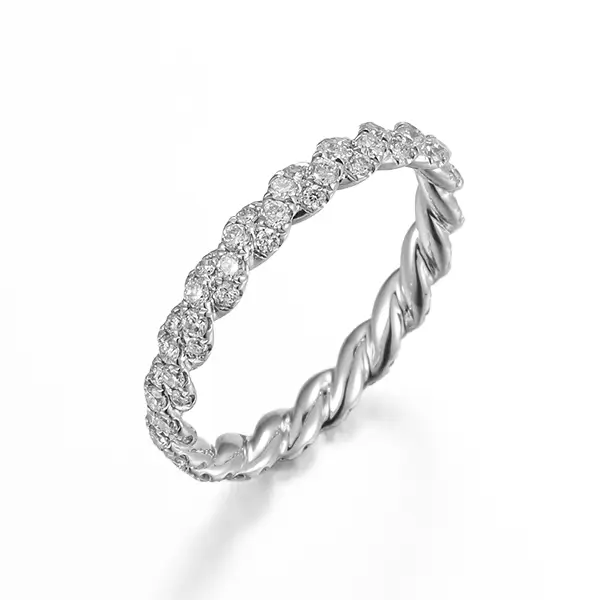
Understanding consumer purchasing patterns helps allocate stock space between different gem varieties, metal finishes, and setting types. Modern buyers seek diverse options spanning classic colorless stones, vivid fancy‑color gems, and affordable lab‑created alternatives. Wholesale man made diamonds occupy an expanding share of this market, delivering consistent optical performance at accessible price points and working well across engagement, everyday wear, and statement‑oriented product lines. These stones are produced across wide carat ranges from tiny melee accents up to substantial center stones, which makes them flexible for pairing with diverse mounting styles.
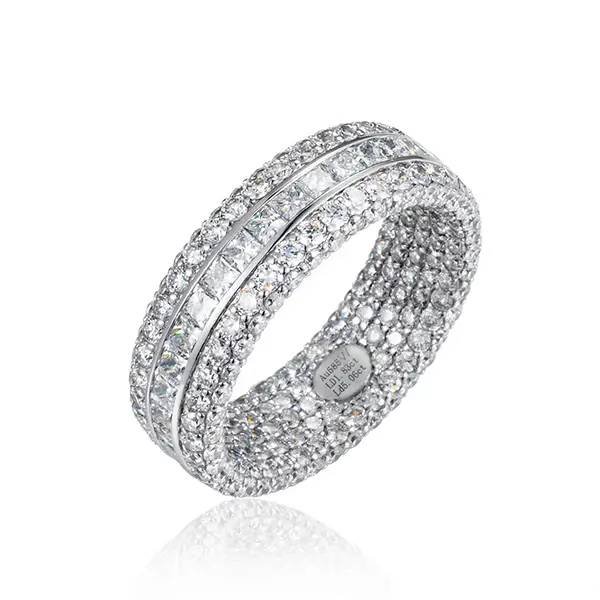
Men’s jewelry represents one high‑growth segment that demands intentional stock alignment. Wholesale mens diamond rings rely on specific mounting geometry: wider band widths, heavier prong structures, and often multi‑stone layouts or large center stone profiles. Sourcing large, bold‑cut stones without corresponding heavy‑gauge metal hardware results in partial sets that cannot ship as complete finished pieces. Operators should assess regional preference for matte versus polished finishes, as well as common carat weights local customers prefer for men’s styles, before committing to large‑scale gem acquisitions. Matching stone hardness to metal thickness also reduces production failures; harder gem materials hold up better in robust men’s mountings, while softer stones risk chipping under regular heavy wear.
Refine Stock Planning Through Practical Gemstone Inventory Audits
Consistent physical review keeps product assortments functional and prevents silent value erosion inside storage facilities. Gemstone inventory contains countless hidden variables beyond basic count and carat totals. Color drift across parcel batches, hidden inclusions only visible under magnification, and minor cut inconsistencies all change which hardware pieces each stone can properly fit. Many businesses only count unit quantities during audits, without grouping stones by shape, depth profile, and color grade. This approach creates misleading stock reports that overstate usable material volume.
Audit cycles should group loose goods into pairing‑ready categories. Sort stones by shape first, then by millimeter dimension, followed by color and clarity tiers. For each category, cross‑reference against existing mountings, bezels, and accent component stock. Flag stone batches with limited compatible hardware and adjust future purchasing volumes accordingly. Stones with unique, non‑standard dimensions can be reserved for custom‑order workflows instead of mass assembly, so they do not occupy shelf space intended for fast‑turn standard production. Audits also reveal gradual quality shifts within incoming gem parcels. Noticing these shifts early allows buyers to adjust hardware specifications, so newly arriving stones continue to integrate smoothly with existing component stock.
Evaluate Functional Compatibility Within Jewelry Supplies Assortments
Every assembly project depends on how well raw stone characteristics interact with available component stock. Jewelry supplies cover far more than ring mountings alone; pendants settings, earring posts, chain links, bead cups, and accent prongs all impose hard constraints on which loose stones can reach final production. Even when a stone fits a mounting’s seat dimension, other factors can halt assembly work. High‑domed cabochons, for instance, require taller bezels. If warehouse stock only carries low‑profile bezel cups, perfectly fine cabochon parcels cannot move into finished goods.
Metal alloy choices create another critical compatibility layer. Harder platinum settings hold prongs securely for harder gemstones, while softer gold alloys demand extra attention when setting brittle gem varieties. Thinner‑gauge settings cannot support heavier center stones without bending risk during setting or later customer use. Procurement teams need to view gem lots and component lots as one connected system rather than separate buying tasks. When restocking supplies, note which stone shapes and sizes the new components support, and avoid over‑purchasing hardware for which matching loose stone supply remains limited. This coordinated mindset directly cuts down on stagnant stock that sits waiting for complementary parts that never arrive.
Optimize Assembly Workflow With Strategic Loose Stone Pairing Practices
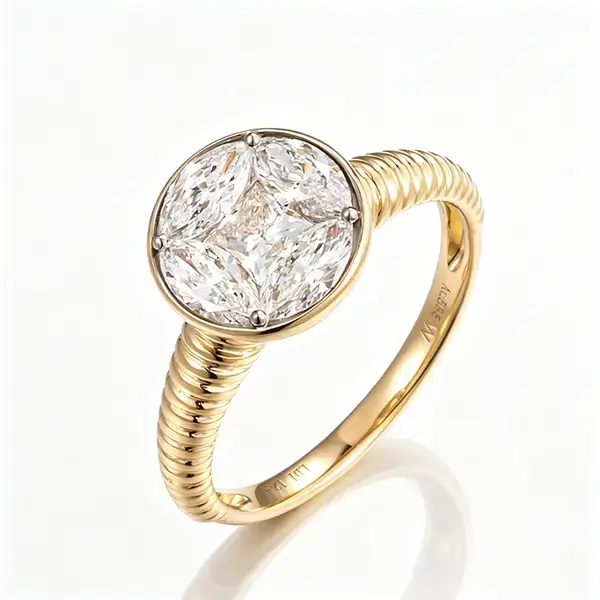
Production efficiency improves substantially when teams follow structured loose stone pairing before assembly begins. Loose stone pairing is not limited to matching color for earring pairs. It also covers depth matching, table alignment, and consistent light response across multi‑stone layouts. Mismatched depth among accent stones within one mounting creates uneven surface appearance once set, even if every stone shares identical millimeter diameter. Customers notice subtle visual inconsistencies, and inconsistent finished quality increases return rates.
Sort matched sets prior to sending batches to bench workstations. For multi‑stone halos, tennis‑style layouts, and cluster pieces, pre‑group stones that show similar brilliance and tone. Pre‑matching reduces bench labor hours, as jewelers spend less time sorting through bulk parcels mid‑production. Businesses serving both ready‑to‑ship and custom orders can separate pre‑matched stone sets for quick‑turn production, while reserving less uniform stones for custom requests where individual selection happens per‑order. This workflow maximizes throughput and raises overall finished‑product uniformity.
Reduce Waste Through Targeted Gemstone Matching For Seasonal And Trend Cycles
Market trends shift rapidly, and successful operators align incoming material with upcoming demand cycles. Gemstone matching considers trend‑driven color preferences alongside physical fit requirements. Seasonal retail pushes, holiday gifting periods, and rising social‑media‑driven aesthetics change which color tones and stone shapes move fastest. Pastel fancy‑color stones may perform strongly during spring retail seasons, while darker saturated gem variants gain traction for autumn‑winter statement collections.
Trend cycles create common pitfalls. Businesses may buy large gem parcels chasing viral aesthetics without checking if corresponding hardware is available. When trend momentum fades, leftover stones become difficult to liquidate. Procurement teams can mitigate risk by testing small mixed batches of trending stones, paired with limited runs of matching mountings. Monitor sell‑through rates for these test groups. Expand order volumes only once real sales data confirms market reception. This measured approach preserves working capital while still allowing businesses to capitalize on emerging consumer tastes.
Practitioners should also track how metal color interacts with gem tone. Rose gold hardware warms up cool‑toned gemstones, white metal amplifies icy colorless appearances, and yellow gold enhances warm gem hues. Keep these visual interactions in mind during stock planning. Group stones with compatible metal‑finish hardware combinations, so sales teams can quickly pull coordinated sets for customer orders without lengthy searching through disjointed storage bins.
Build Long‑Term Stock Resilience By Connecting Procurement And Production Insights
Sustained success relies on closing information loops between procurement, warehouse, and production teams. Production staff encounter real‑world fit conflicts every day that spreadsheet inventory reports never capture. Stones that look dimensionally correct on paper may display unforeseen setting challenges when bench work begins. Prong slippage, uneven seating, and light‑leaking gaps emerge repeatedly for certain stone‑hardware combinations. Document these recurring issues and feed observations back to purchasing workflows.
Shared reference documentation should record successful and problematic stone‑hardware combinations. Note which stone cuts perform well with specific bezel heights, prong counts, and metal gauges. Over time this internal knowledge base prevents repeated buying mistakes. New staff can reference accumulated practical data instead of learning costly lessons through wasted inventory.
Balanced stock strategy does not mean carrying every possible stone and hardware variant. Intelligent matching means selecting complementary sets of materials that can combine into high volumes of sellable finished pieces. When gemstone lots and component assortments speak to one another, businesses shorten lead times, lower holding costs, and deliver consistent quality to their customers. Every decision around incoming gem parcels and hardware stock gains greater impact when evaluated through the lens of how well each material will pair with what already lives inside inventory.