Seasonal Fine Jewelry Collections Stock vs Custom‑Made
Every seasonal fine jewelry release balances creative vision against real‑world supply chain constraints. Design and merchandising teams face recurring pressure to deliver fresh collections aligned with shifting consumer tastes, gift‑giving cycles, and fashion runways. Whether preparing for winter holiday campaigns, spring bridal drops, or summer capsule assortments, picking the right supply model shapes final margins, launch timelines, and retail performance. Many buyers underestimate how much component sourcing decisions can derail an otherwise well‑planned collection, especially when deadlines tighten and market trends shift unexpectedly. This article breaks down practical trade‑offs between ready‑to‑ship stock resources and fully custom‑developed components, helping buyers map procurement choices directly to their collection calendars and business goals.
Lead time differences for seasonal launch windows
Time pressure defines nearly every seasonal jewelry rollout. Fashion calendars lock in photo‑shoot dates, marketing asset deadlines, and retail shelf placement months ahead of public release. Delays in component delivery compress downstream workflows and may force brands to miss peak selling windows entirely. Stock‑based sourcing removes most development‑stage waiting periods. Pre‑produced findings, gemstone parcels, and semi‑finished assemblies can ship within days once orders are confirmed, leaving more internal bandwidth for quality inspection, assorting, and retail preparation. This speed proves invaluable when trend signals emerge late in the planning cycle, or when prior‑season sales show unexpected demand surges that require quick inventory top‑ups.
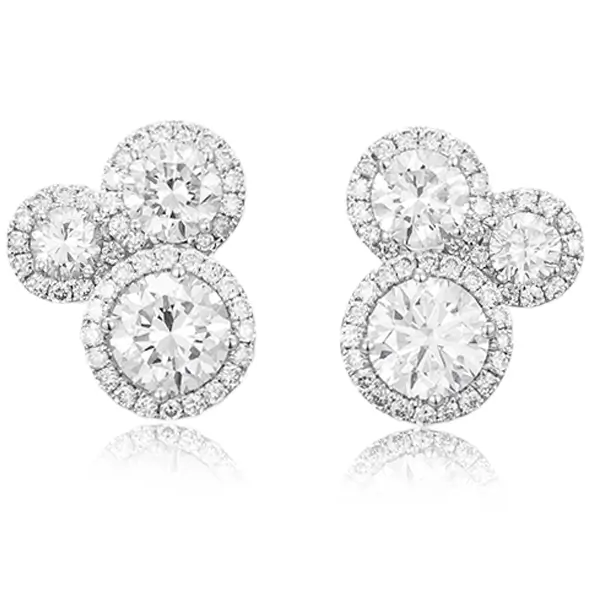
Custom‑made components follow a longer sequence. Design revision, prototype fabrication, sample evaluation, tooling creation, material allocation, and full‑batch production each consume calendar time. Even streamlined custom runs for fine jewelry often stretch across four to eight weeks from final sample approval to finished goods readiness. Complex stone‑set items require additional artisan work for setting, polishing, and multi‑stage quality checks. Brands pursuing custom paths must build generous buffers into their seasonal roadmaps. Rushing custom production raises the risk of surface defects, inconsistent stone matching, or compromised finishing, outcomes that hurt brand reputation for premium‑priced fine jewelry. It is not uncommon for clients to approach development with tight deadlines only to discover custom timelines cannot align with their target launch date, making stock‑based alternatives the only feasible route.
Cost structure and minimum order realities
Total project cost extends far beyond per‑unit material price. Tooling fees, sample iteration expenses, minimum batch thresholds, and capital locked in unsold inventory all change the financial picture for seasonal lines. Stock components carry almost no upfront development overhead. Buyers select existing items from catalogs, order exact quantities they anticipate selling, and avoid non‑recoverable charges for molds or prototype work. This structure suits limited‑run seasonal assortments where predicting consumer response remains difficult. Capital exposure stays contained, and leftover stock pieces can frequently carry over into future seasonal assortments without becoming dead inventory.
Custom development introduces fixed pre‑production costs that apply regardless of final batch size. New molds, custom stone calibrations, and hand‑finished prototype cycles add baseline expense before a single production unit ships. Unit pricing typically improves as order volumes rise, but small‑batch custom runs carry elevated per‑piece rates because fixed fees distribute across fewer finished items. Minimum batch expectations vary heavily by component category. Metal cast findings may have modest thresholds, while specially cut gemstones or intricate assembled parts enforce higher order floors. Brands launching experimental seasonal themes must weigh whether projected sales volume justifies these baseline investments. When seasonal themes are highly niche or untested, committing large minimums to custom‑made resources creates meaningful financial risk if consumer reception falls short of forecasts.
Design flexibility and collection brand identity
Unique visual language separates successful fine‑jewelry seasonal lines from generic market offerings. Custom‑made supply unlocks full creative control over geometry, surface finish, stone proportions, and assembly details. Every element can align precisely with collection mood boards, from matte brushed metal treatments to hand‑selected gemstone colour palettes tailored for autumn or spring storytelling. Exclusive component geometry helps build distinct brand signatures that competitors cannot easily duplicate. For brands prioritizing strong differentiation for holiday gift lines or bridal‑focused seasonal assortments, custom work delivers aesthetic coherence hard to replicate by mixing off‑the‑shelf parts.
Stock resources draw from pre‑existing design libraries shared across many market participants. While catalog depth continues to expand, buyers work within established shapes, stone sizes, and finishing options. Originality comes through curation, assembly combinations, and branding rather than underlying component geometry. This limitation does not automatically equal generic output. Skilled merchandisers build compelling seasonal stories by thoughtfully mixing stock elements, selecting specialized gemstone parcels, and refining final assembly standards. Yet brands chasing one‑of‑a‑kind silhouettes or proprietary decorative details will repeatedly hit boundaries working exclusively from stock inventories. Many teams adopt hybrid thinking: core statement pieces receive custom‑made treatment, while supporting filler SKUs draw from well‑vetted stock catalogs to balance distinct identity against practical constraints.
Quality consistency and compliance across seasonal batches
Fine‑jewelry buyers hold strict expectations for metal purity, gemstone grading, surface finishing, and hallmark compliance. Seasonal collections often ship in staggered batches to multiple retail partners, so consistency between production lots directly impacts customer confidence. Stock components rely on previously completed production cycles. Reputable suppliers maintain trace records for metal alloy composition, plating thickness, and gemstone grading. When re‑ordering identical stock SKUs, buyers receive output from already‑validated manufacturing workflows. The main risk appears when popular SKUs sell through and restock batches originate from separate production runs; minor shifts in stone colour or surface finish can emerge between different stock lots. Pre‑shipment sample cross‑checks mitigate this gap.
Custom‑made supply lets buyers define every quality parameter in formal specifications. Metal alloy standards, rhodium plating thickness, gemstone inclusion thresholds, and tolerances for stone‑setting gaps can all be written into order documentation. Every production batch follows the same approved sample benchmark. This tight control benefits lines built around signature looks such as lab diamond wholesale rings, where uniform stone performance across dozens of finished units shapes retail customer trust. Still, custom quality depends heavily on clear communication. Vague design briefs lead to repeated sample cycles and final output that fails to match internal expectations. Detailed spec sheets, reference samples, and written acceptance criteria reduce misalignment throughout custom manufacturing cycles.
Inventory risk management for short‑lived seasonal themes
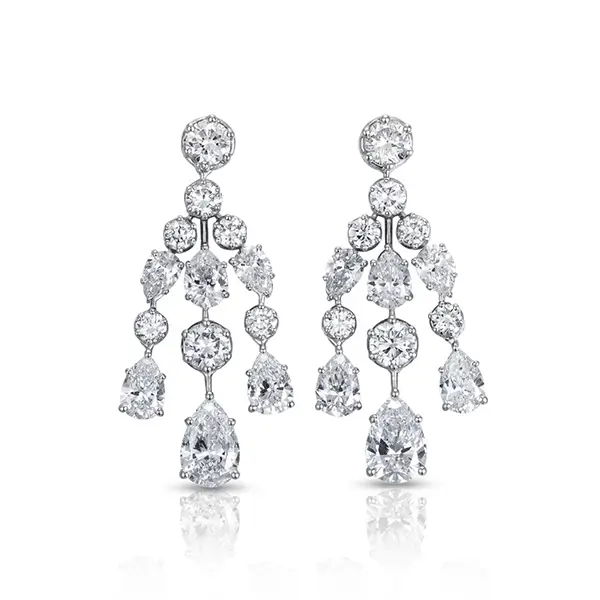
Seasonal jewelry themes possess built‑in expiry dates. Halloween motifs, Valentine’s romantic iconography, and winter‑holiday‑themed pieces lose retail appeal once their selling window closes. Excess inventory ties up capital and occupies storage space, with limited opportunity to re‑sell outdated seasonal‑specific SKUs in future cycles. Sourcing from stock enables lean inventory strategy. Buyers place orders sized to match realistic sales projections, with options for re‑ordering mid‑season if momentum exceeds forecasts. Slow‑moving stock components can often be repurposed into non‑seasonal assortments, lowering total write‑off exposure.
Custom‑made seasonal components carry higher inventory risk. Tooling and setup costs already sink into the project before goods arrive, and custom‑produced parts built for one‑off seasonal motifs seldom fit future collections. If market reception underperforms forecasts, brands hold specialized inventory with few secondary sales channels. This dynamic makes volume forecasting exceptionally critical for custom seasonal work. Forward‑thinking teams mitigate risk by splitting programs: launching smaller pilot custom batches to test market reaction before authorizing full‑scale production runs. Hybrid approaches frequently emerge as the most pragmatic path, blending stock for high‑volume safe‑bet SKUs with targeted custom runs for headline‑grabbing statement items.
Practical hybrid workflows for seasonal collection execution
Pure stock‑only or fully‑custom‑only strategies rarely deliver optimal results for modern fine‑jewelry seasonal programs. Most successful programs combine both supply models strategically, matching sourcing method to each SKU’s business purpose. High‑volume supporting styles draw from reliable stock inventories to keep lead‑times short and inventory risk low. Hero statement pieces and signature items that define collection visual identity move into custom development. Within custom workflows, partial‑custom options deserve consideration: modifying existing base forms with new stone‑setting layouts or surface finishes cuts development timelines compared to building everything from zero.
For earring assortments such as custom earrings wholesale, teams can mix strategies. Core metal post and finding hardware can draw from qualified stock catalogs, while decorative front‑facing elements go through custom development to deliver seasonal‑specific motifs. This splits workload: repetitive high‑volume components avoid re‑inventing, while visible design elements maintain creative uniqueness. This layered approach lowers total project expense, compresses overall lead‑times, and preserves the distinct look required for retail differentiation.
Align sourcing choices with collection planning timelines
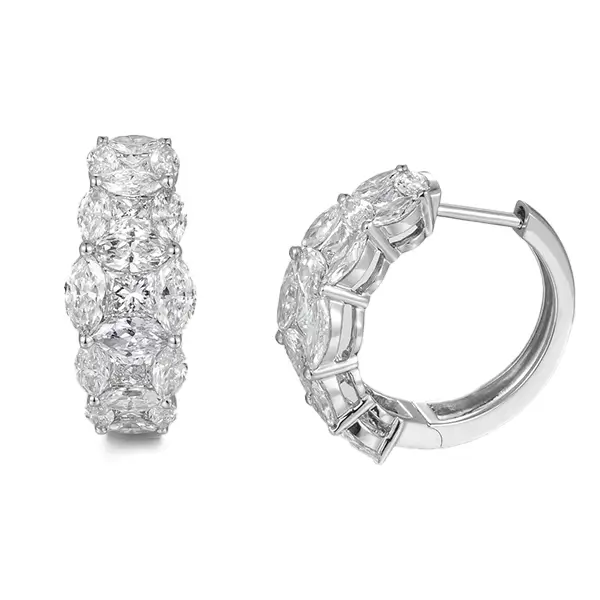
jewelry collection sourcing decisions should start alongside concept development, not after design finalization. Many teams finalize mood boards and look‑books before investigating real‑world component lead‑times, creating avoidable scheduling crises. Early supplier consultation reveals what can realistically arrive by target launch dates. When a collection cycle runs short, stock‑heavy sourcing becomes the logical path. When planning cycles stretch six months or longer, custom‑made investment becomes easier to justify.
Calendar mapping should account for every downstream step. Component delivery is only one milestone. Finished‑item assembly, internal quality audit, photoshoots, marketing asset creation, retail buyer presentations, and shipping to retail locations all consume weeks. Even if components arrive on‑time, insufficient downstream scheduling still causes missed seasonal windows. Document every milestone and build contingency buffers for material‑market volatility, shipping delays, or unexpected sample revisions.
Matching supply strategy to business objectives
Stock vs custom jewelry trade‑offs do not produce one‑size‑fits‑all answers. The correct selection depends on collection goals, planning timelines, available capital, risk appetite, and desired market positioning. Brands prioritizing fast market reaction, low upfront investment, and minimal inventory exposure gain greatest advantage leveraging stock‑based seasonal jewelry supplies. Businesses aiming for exclusive visual identity, tight batch‑to‑batch consistency, and proprietary design signatures find value investing in custom‑made components.
Many growing brands shift sourcing mix as they mature. Early‑stage seasonal lines lean heavily on stock to test market response without heavy financial commitment. As sales patterns clarify and brand identity solidifies, selective custom projects get introduced for key seasonal hero pieces. Regardless of chosen path, transparent specification documentation, sample‑based acceptance processes, and realistic timeline setting remain foundational for successful seasonal fine‑jewelry launches. By weighing creative ambition against supply‑chain realities, teams deliver compelling seasonal collections that resonate with consumers while protecting long‑term business health.